Guide
Design for recyclability
Created by
Redress
Quick Access
Learn more fashion industry terminology from the Glossary.
Quick Access
Learn more fashion industry terminology from the Glossary.
What Is It?
Recyclability takes responsibility for the end-of-life of products by considering recycling solutions and how they will impact certain product features. Designing for recyclability, a strategy part of the ‘RECYCLE’ step in a circular fashion system, ensures products never become “waste”, but instead allows for closed-loop material recovery.
Every second, the equivalent of one rubbish truck of textiles is landfilled or burned globally.1 Given the sheer volume of textile waste that we produce, it’s imperative that we create recycling solutions to recover them instead of sending them to already overflowing landfills. So what does it mean to recycle textiles? The reality is, this term can refer to a myriad of different processes, which are not all equal. At Redress, here is how we define recycling, listed in order of highest value to lowest:
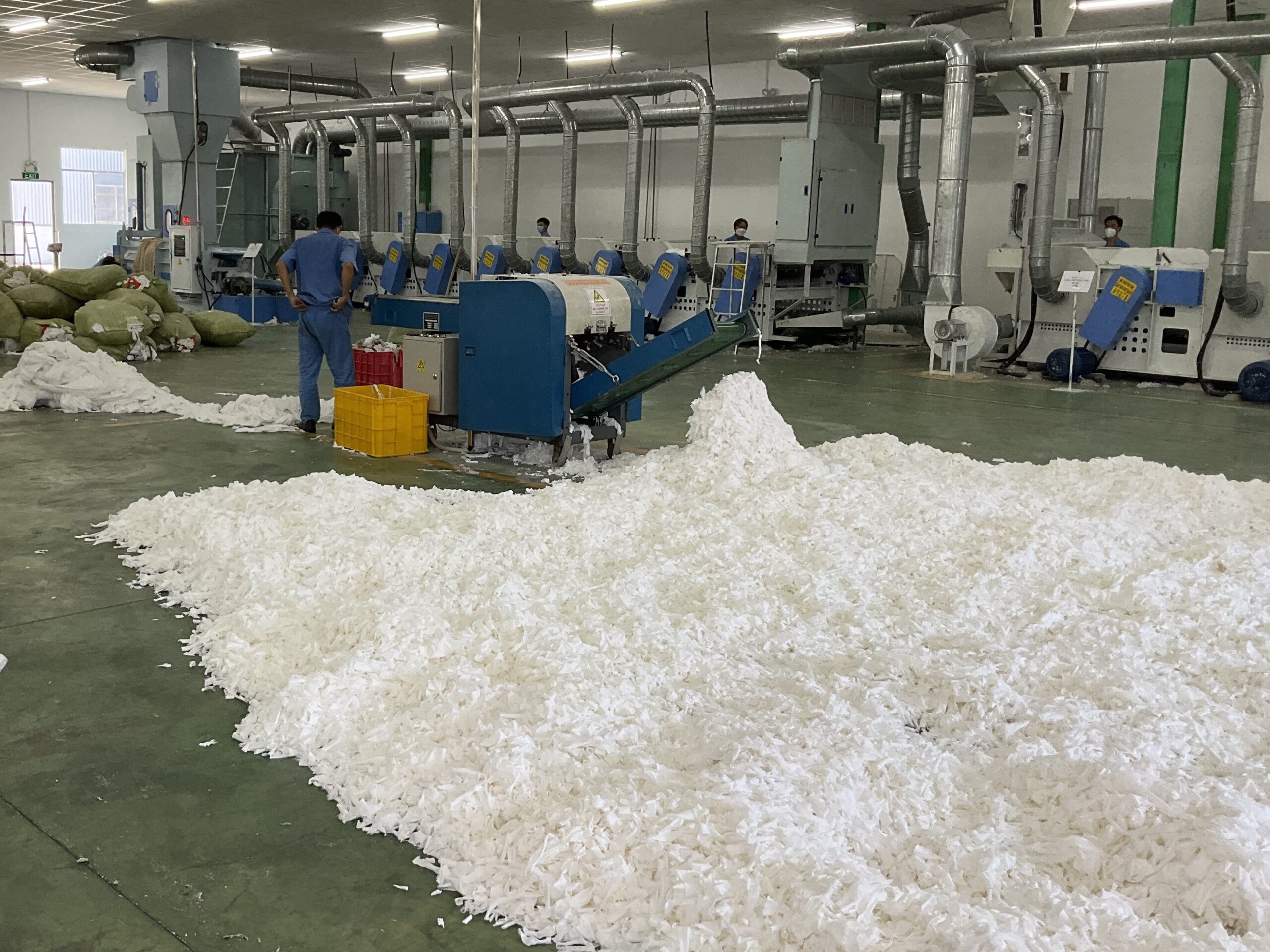
Fibre-to-fibre mechanical recycling facility. Credit: looped
- Fibre-to-Fibre Recycling (highest value): This consists of turning the materials/products into fibres, and then into yarns and fabrics. These can be used to make new products like garments and furniture.
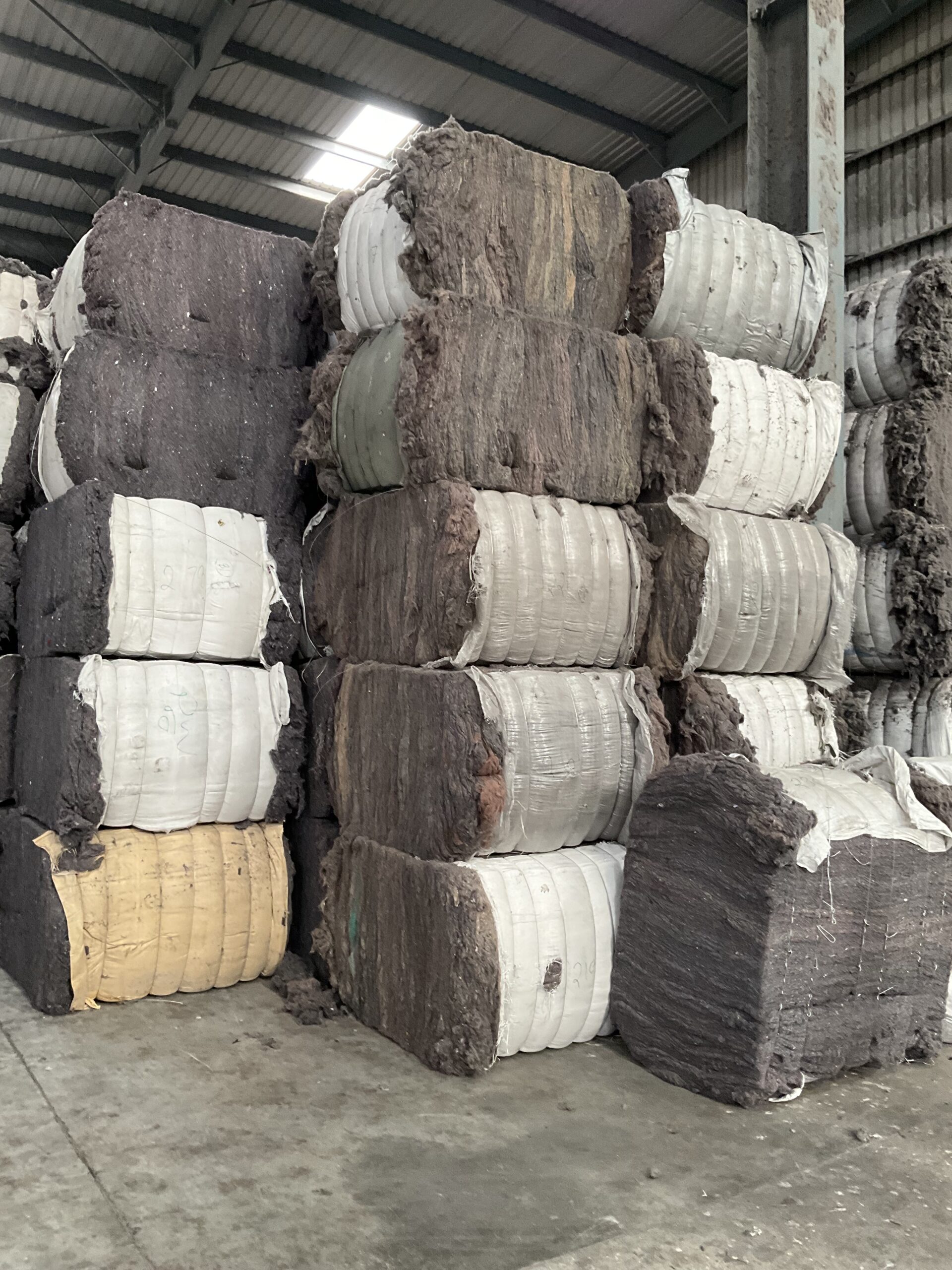
Bales of downcycled mixed fibres. Credit: looped
- Downcycling: This form of recycling consists of reusing or shredding the materials to be transformed into lower-value products that can be used in other industrial sectors. Downcycling ensures a second life by transforming textile waste into items like insulation, single-use wipes, filling for mattresses, car seats, etc.
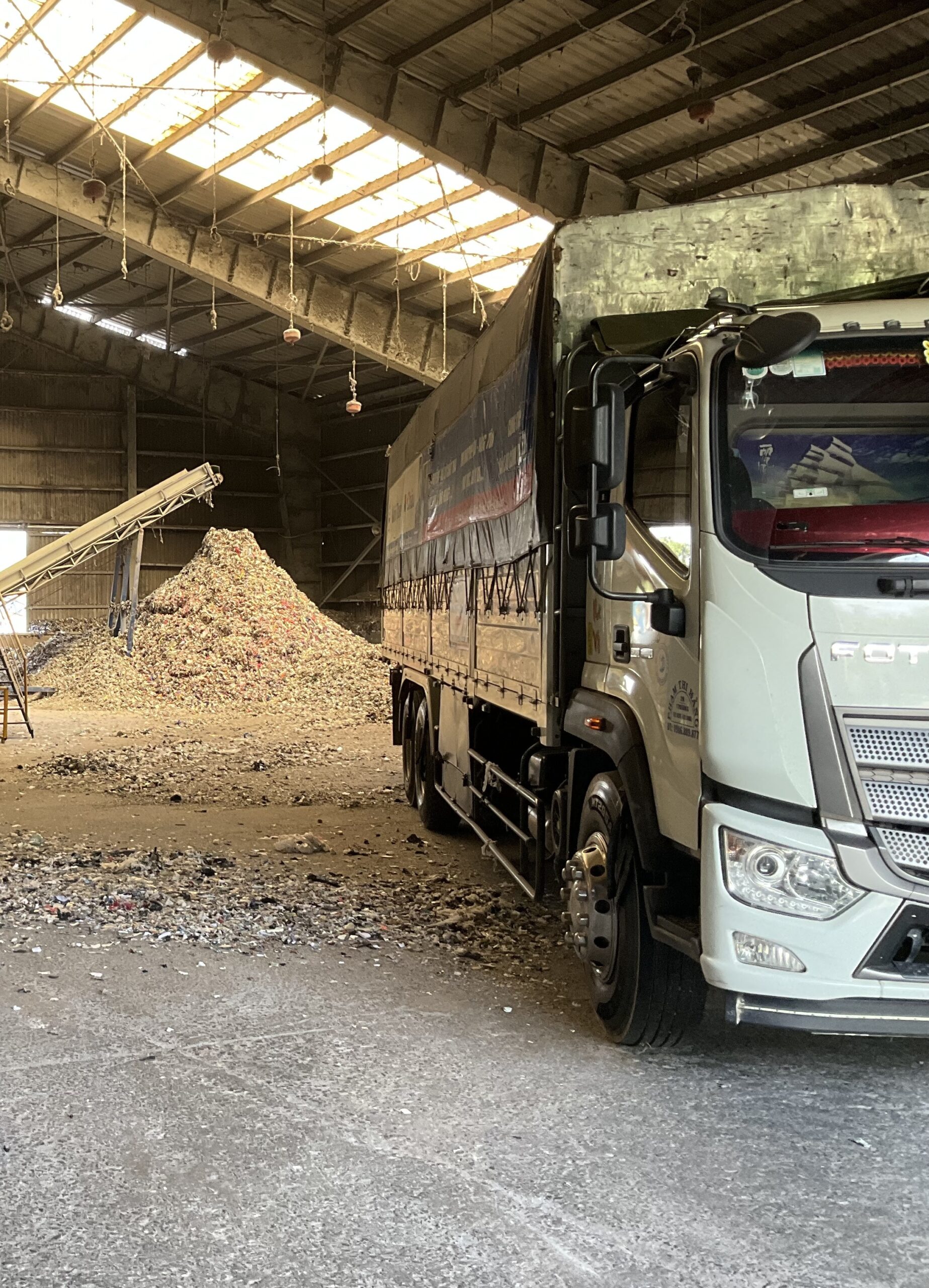
Shredding of mixed materials, including textiles, for energy recovery. Credit: looped
- Energy Recovery (lowest value): This recycling method consists of converting materials/products into secondary combustibles, which are then used for producing heat or electricity. This solution is only appropriate in cases where:
- It is the only accessible solution for certain regions where the textile recycling infrastructure is not developed enough, OR
- For clothing that may contain many accessories/plastic prints which makes it too difficult to process for downcycling machines
Though upcycling and reconstruction are techniques to recover materials, it’s important to note that these methods are not considered ‘recycling’ as the original garment/material is not transformed back to fibres before being reused. To discover more about these techniques, read here.
In this guide, we will explore designing for recyclability strategies, with a focus on fibre-to-fibre recycling methods.
Why do it?
When designers create with recyclability in mind, garments can be prepared for the eventual day when they no longer serve their initial purpose. Allowing materials to reincarnate in new forms diverts them away from the landfill.
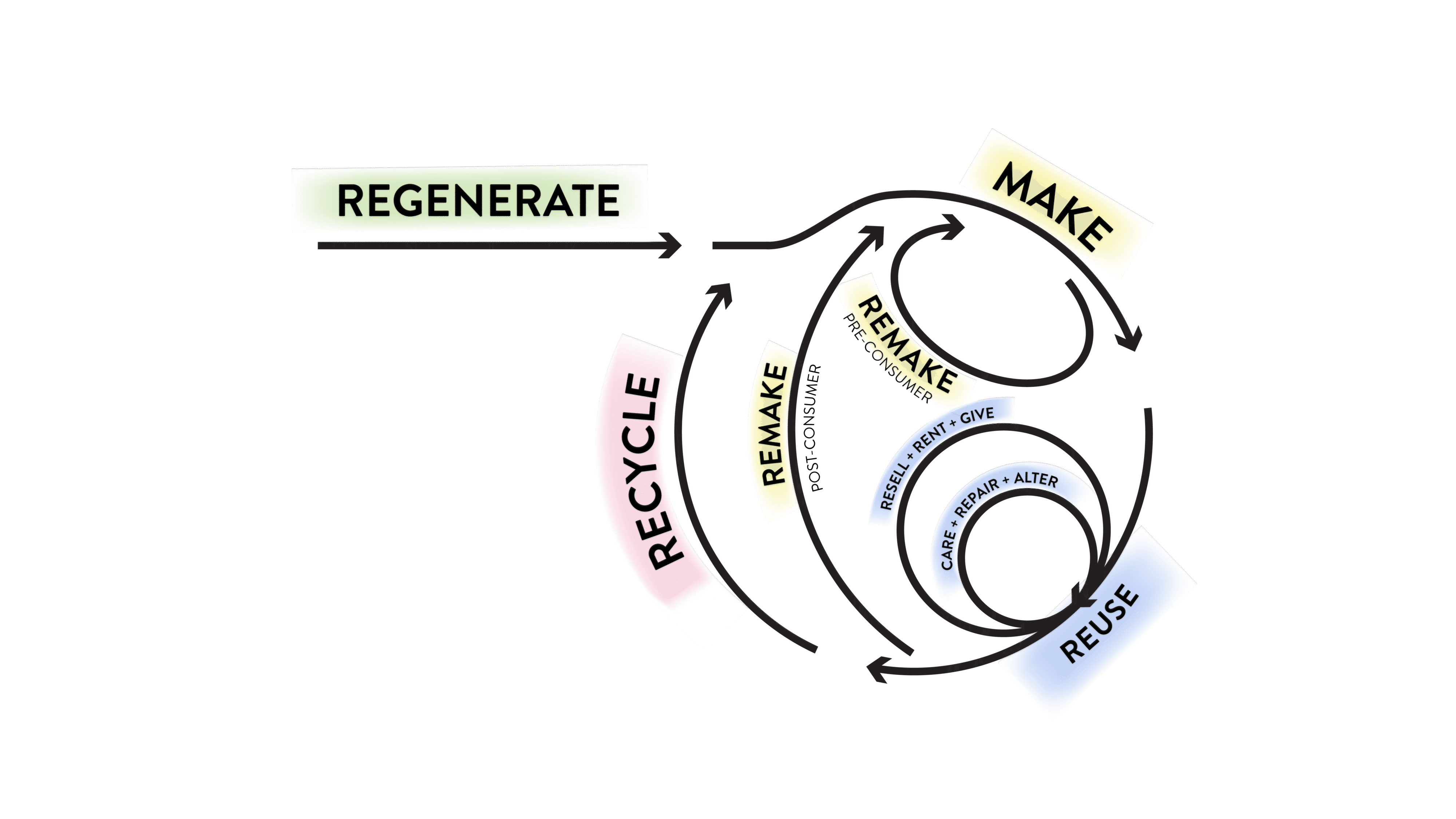
Image credit: Redress
Right now, less than 1% of material used to produce clothing is recycled into new clothing at the end of its life2 — but creators have the power to change that. Designing for recyclability not only benefits the environment, but may also give a financial edge to the brand and designer. Today’s clothing underutilisation and lack of recycling is leading to an economic value loss of over US$500 billion per year globally3.
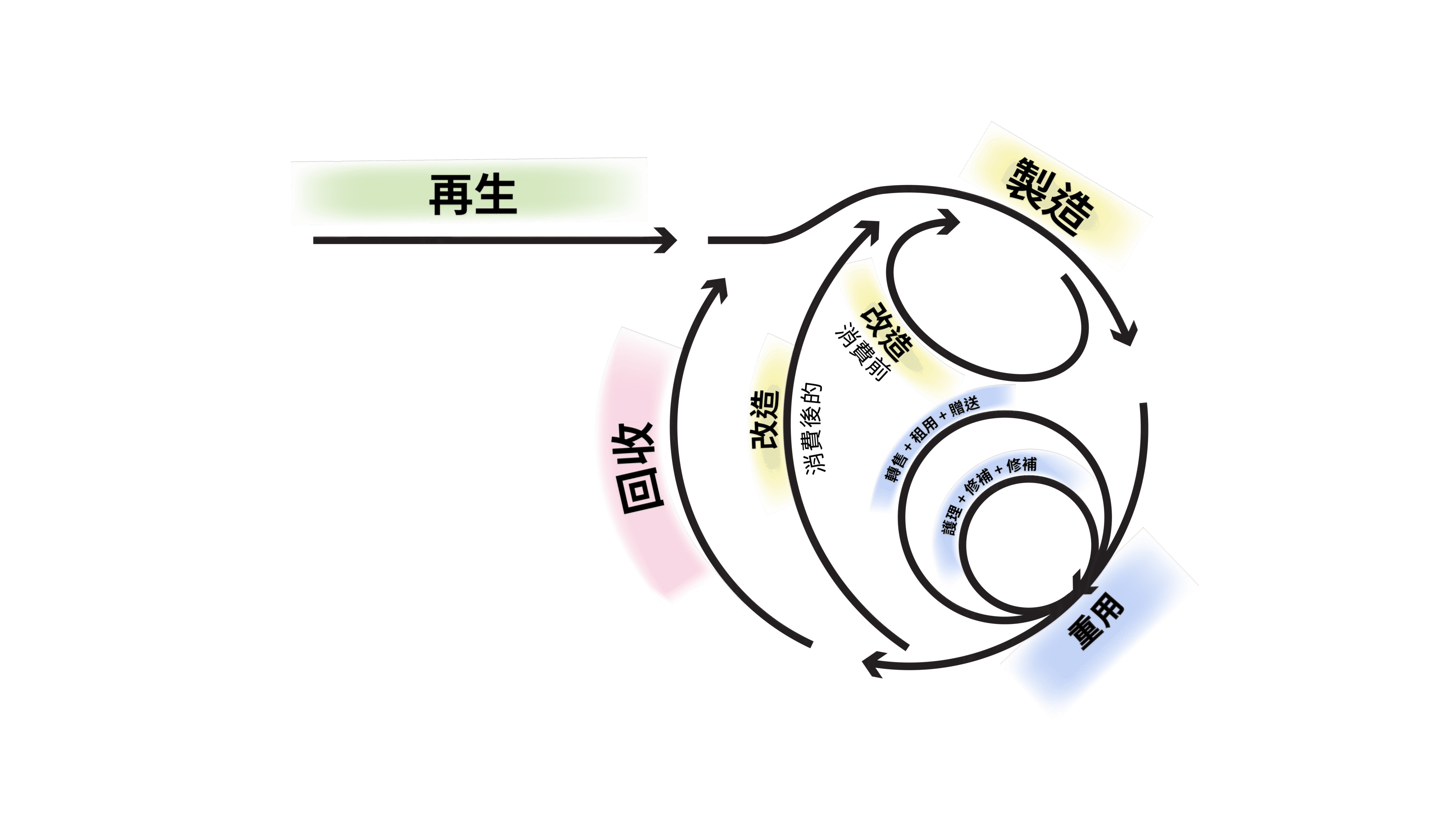
圖片來源:Redress
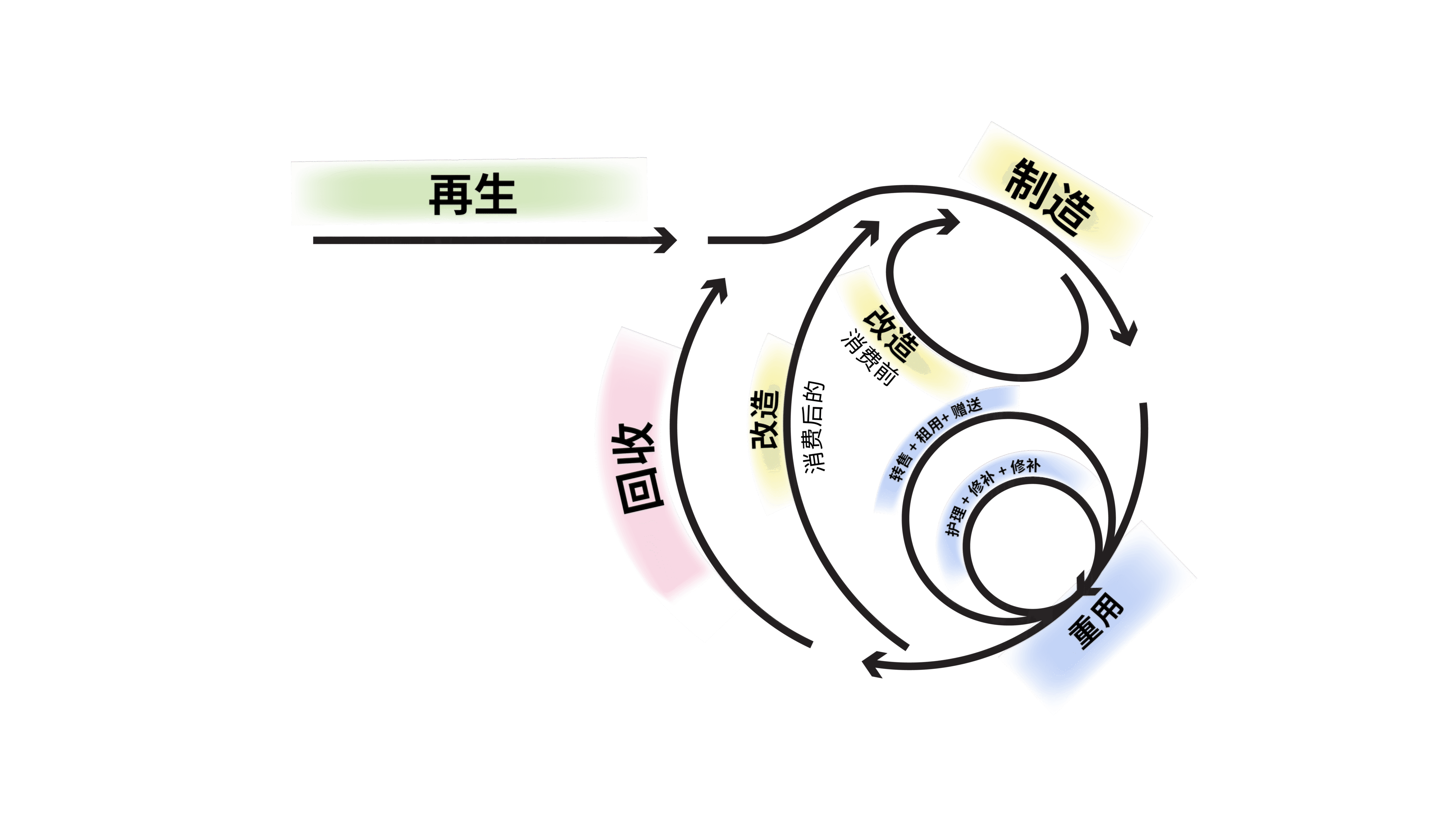
图片来源:Redress
How to do it?
The ultimate goal is a closed loop system that infinitely maintains the value and quality of all materials. It is all the better if garment fibres can be reused as yarn for garments, with fire-to-fibre recycling, as opposed to recovering the material for lesser value products with downcycling. To achieve a closed-loop system, creators need to be intentional in their design choices, from fibre selection to material processing, garment construction, and labelling.
The recycling process is not as straightforward as it might sound. Collecting and sorting textiles is a major issue in the process, as waste textiles need to meet the quantitative and qualitative requirements of raw materials for scalable fibre-to-fibre recycling. Recycling holds great potential in environmental benefits, but only if high recovery rates and quality products are achieved. It can be laborious and complicated, but with the right design decisions, clothing recyclability can be achieved. To understand this, we need to look into the different recycling methods.
- How are textiles recycled?
Recycling can be sorted into a few methods: mechanical, hydrothermal, biological, chemical, and physical recycling, as well as regeneration.
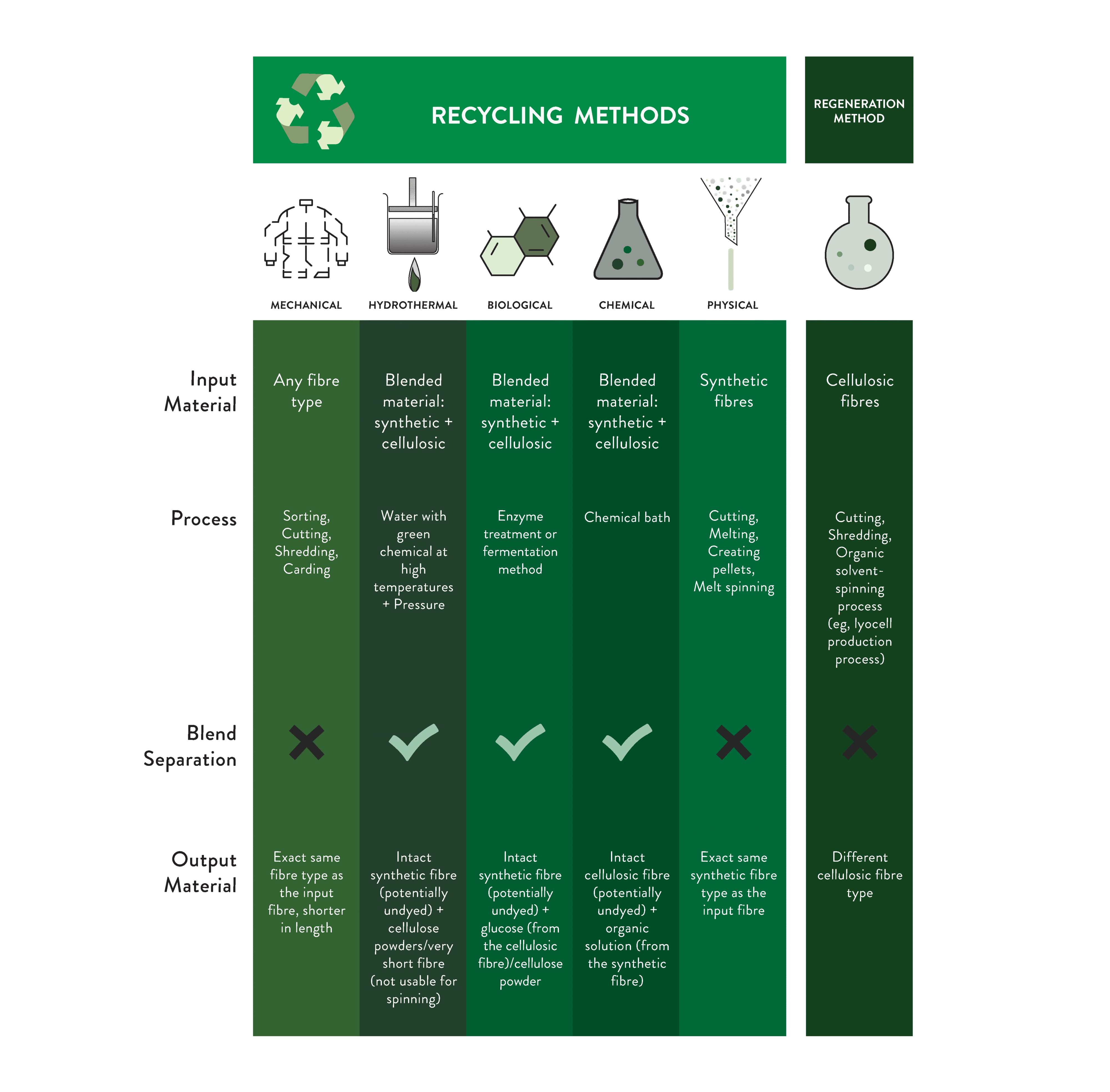
Image credit: Redress
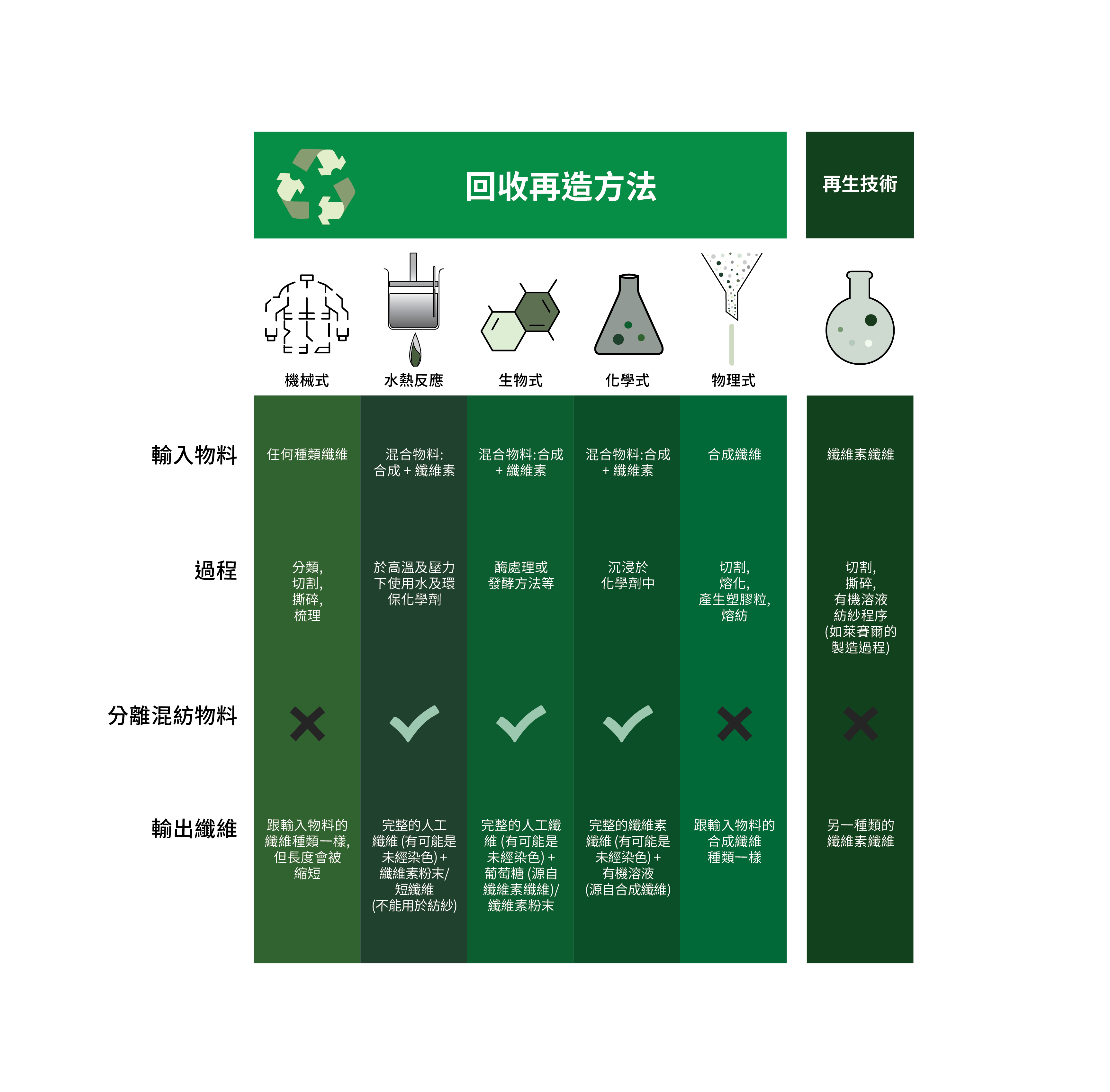
圖片來源:Redress
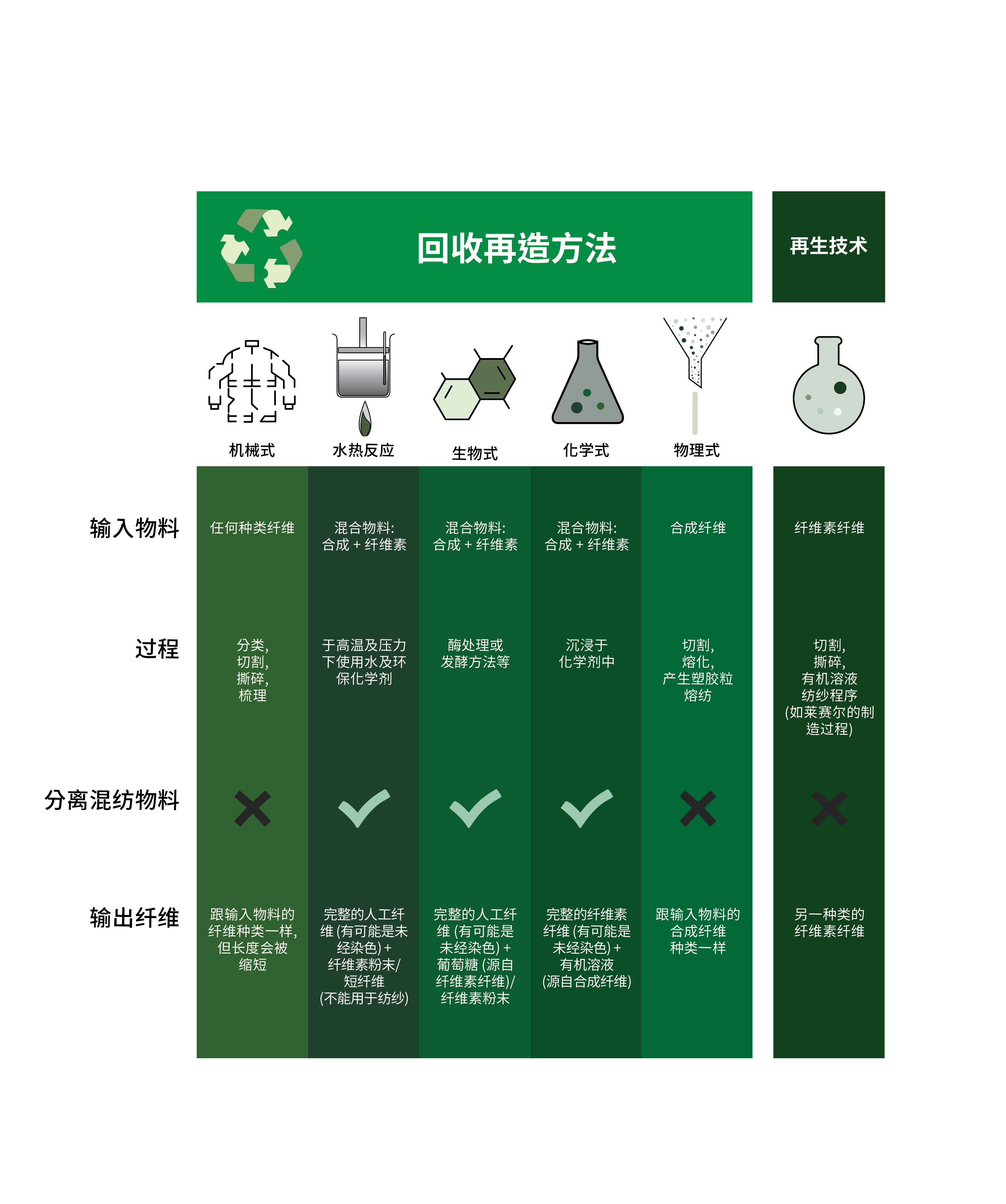
图片来源:Redress
Mechanical Recycling
Mechanical recycling is currently the most used and scaled way of recycling. It involves the use of mechanical processes (cutting, shredding, carding) to process the fibres. Prior to the actual recycling, the materials must be sorted, and trims (buttons, zippers, etc) or even plastic prints must be removed manually. Only then can the textile materials be processed into new yarns.
Mechanical recycling aims to keep the composition of the fibre mix intact, although fibres are shortened, and therefore lose quality. To reach a good quality recycled yarn with mechanical recycling, a small amount of virgin fibres need to be added to the recycled fibres when spinning the new yarn.
The recycling rate is higher for textiles made of a single fibre type, as blended textiles are not ideal for recycling. Although possible, the resulting material will still be a blend of fibres, which makes them less commercially desirable due to their lower recyclability. Designers are therefore encouraged to use monofibre materials.
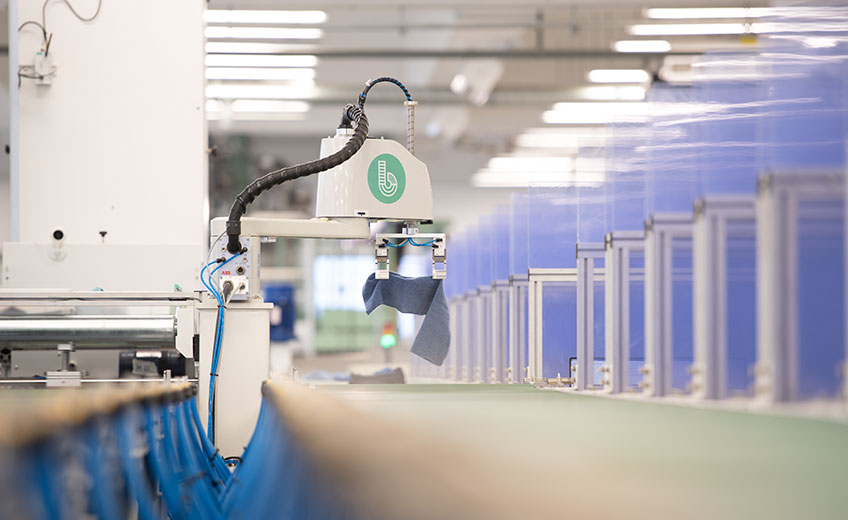
Credit: The Billie System, Novetex
The Billie System was developed by Novetex Textiles Limited in Hong Kong. Its patented waterless six-step recycling process is almost entirely automated. It is a fully scaled system, able to process up to three tonnes of recycled fibres per day. The Billie System has received many awards and international recognition since its launch in 2019.
Hydrothermal Recycling
Hydrothermal recycling involves the use of water at high temperature, green chemicals, and pressure to allow for the separation of cellulosic-synthetic fibre blends. Different levels of temperature, pressure, or treatment time will result in various different products.
This process selectively decomposes the cellulose fibres into powder, while leaving the synthetic fibres intact. It can also remove dyestuff from the synthetic fibres. The separated fibres can then be respun into new synthetic fibre yarns, while the cellulose powder can be reused in new products (such as super-absorbency materials), creating a circular system.
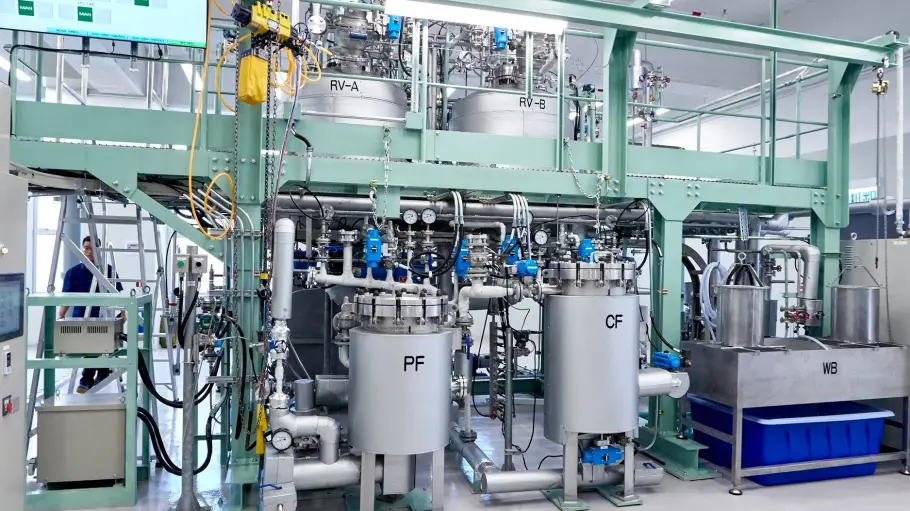
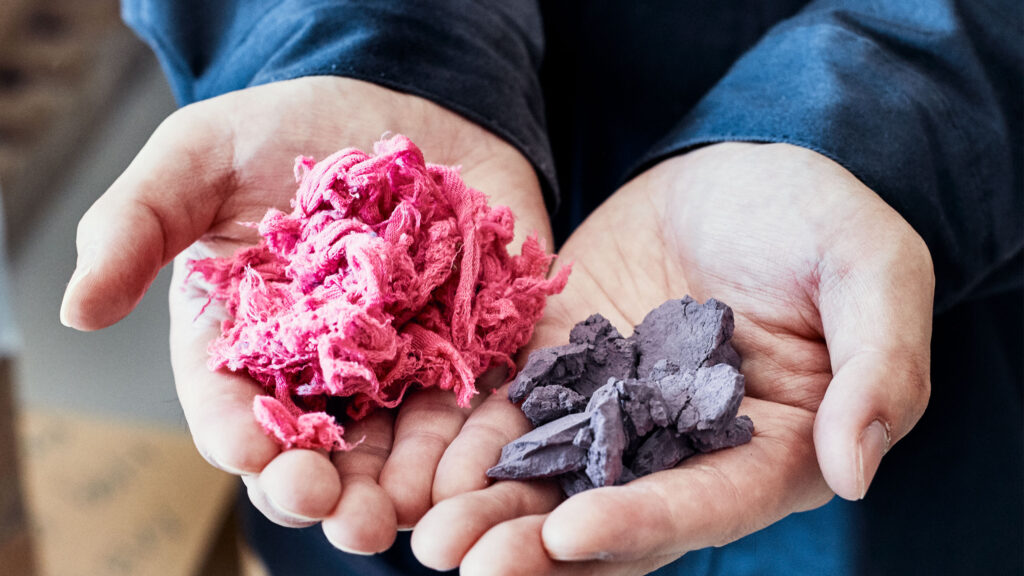
Credit: HKRITA and H&M Foundation
The Green Machine is a scaled hydrothermal system developed in collaboration by HKRITA and H&M Foundation. The system has been set up to recycle cotton-polyester blends using only heat, water, and less than 5% of a biodegradable green chemical. The outcome of the recycling process is a recovery rate of over 98% for polyester fibres in 0.5–2 hours, and the creation of cellulose-based powder.
Biological recycling
Biological recycling, also known as enzymatic recycling, usually involves the use of enzyme treatment or fermentation methods to allow for the separation of cellulosic-synthetic fibre blends. This process selectively decomposes one of the fibre types, separating the blend and leaving the other fibre type suitable for re-spinning. Biological recycling is still a nascent technology and thus may be limited in many supply chains.
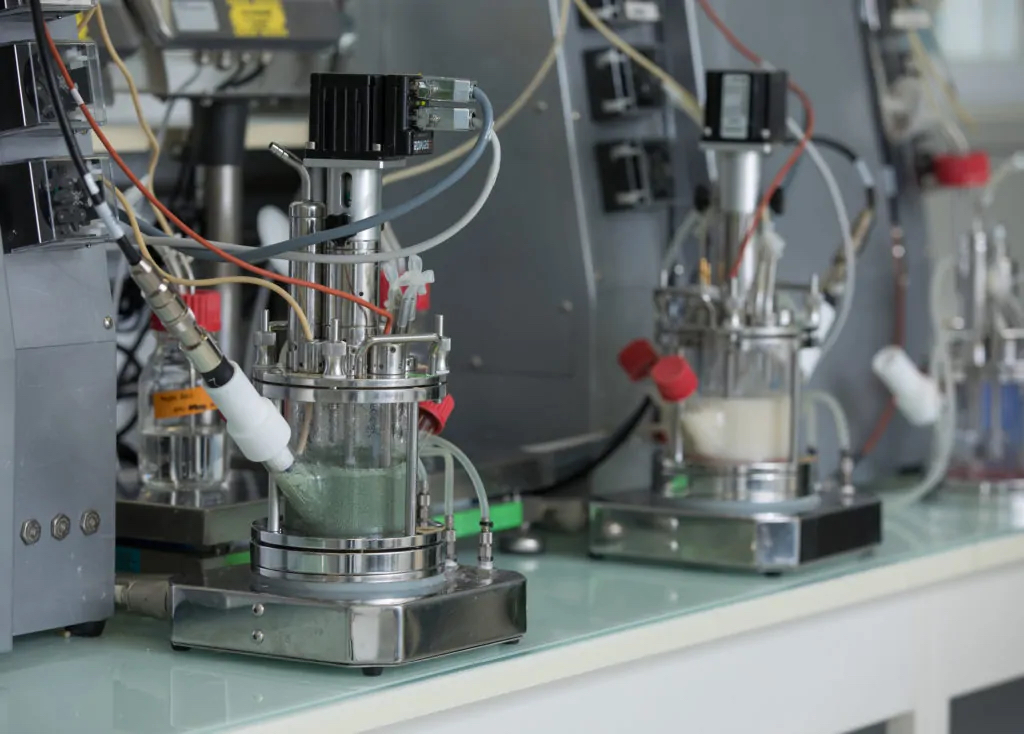
Credit: Carbios
Carbios has developed proprietary enzymes with the ability to break down certain polyesters, in particular PET (most common in textiles) and PLA (a bio-based polymer). Their optimised enzymes are now used in two innovative processes: enzymatic recycling and the production of biodegradable plastics.
Chemical recycling
Chemical recycling involves a dissolution treatment process to allow for the separation of cellulosic-synthetic fibre blends. It is also used to recycle synthetic monofibres.
Sustainable chemicals are used to dissolve and depolymerise organic materials, selectively transforming the synthetic fibres into a solution of depolymerised chains, while leaving the cellulose fibres intact or in a pulp form. This process can also remove dyestuff from the fibres. Once separated, the fibres can then be respun: the organic solution can form new polymers of high quality and be extruded in new filaments, while the cellulosic yarns can be spun again or regenerated.
Chemical recycling is a scaled technology in the world of plastics but still nascent when applied to textiles, and thus may be limited in many supply chains.
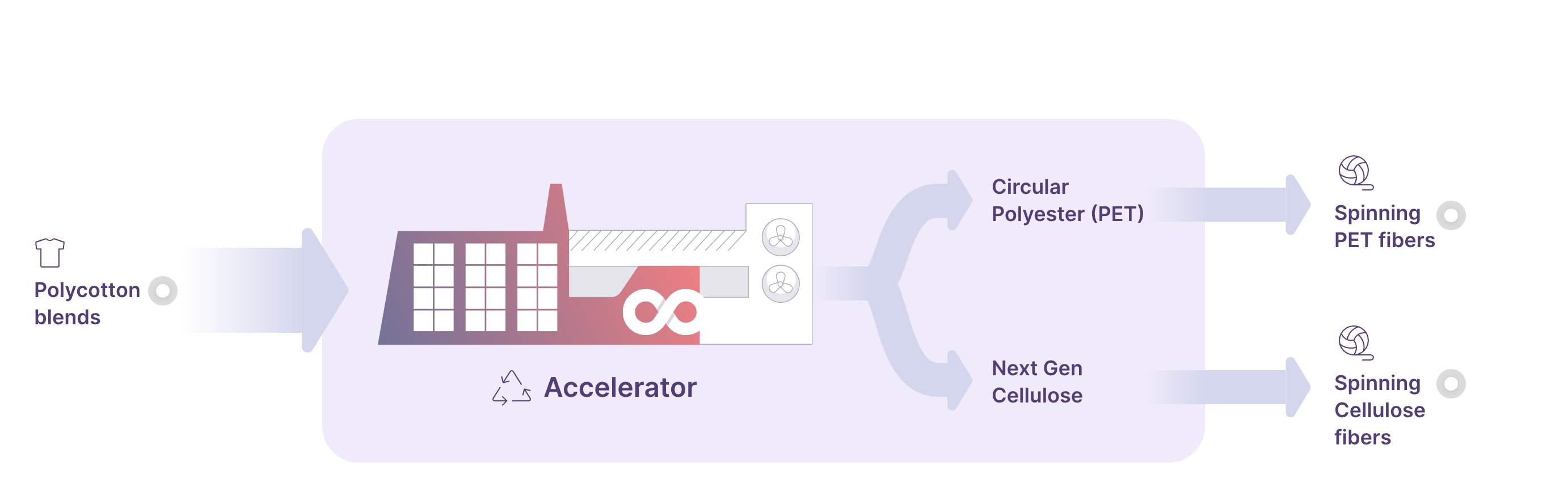
Credit: Worn Again
UK-based Worn Again uses advanced chemical recycling technology that recaptures raw materials from blended polyester-cotton textiles. Their advanced recycling technology is able to separate, decontaminate, and extract polyester and cellulose to produce dual PET and cellulose outputs.
Physical recycling
Physical recycling, also known as thermo-mechanical recycling, is specific to synthetic fibres (plastics). The recycling process consists of shredding and melting the polyester fibres to create pellets of plastic that are melt-spun into new synthetic filaments. Unlike in the chemical recycling method, when melted, the synthetics are not depolymerised. Therefore, the quality of the new recycled synthetic fibre is not as high quality as it was before recycling. However, physical recycling is a lot more energy efficient than chemical recycling.
Regeneration
Regeneration of cellulosic fibres, also known as pulping, is an alternative way to recycle and re-spin cellulose into a new cellulosic material. Cellulose of any form (fibres but also pulp) is dissolved in a bath of sustainable chemicals and then submitted to solution-spinning to form a new filament. The resulting fibre is a man-made cellulosic fibre (MMCF) such as lyocell.
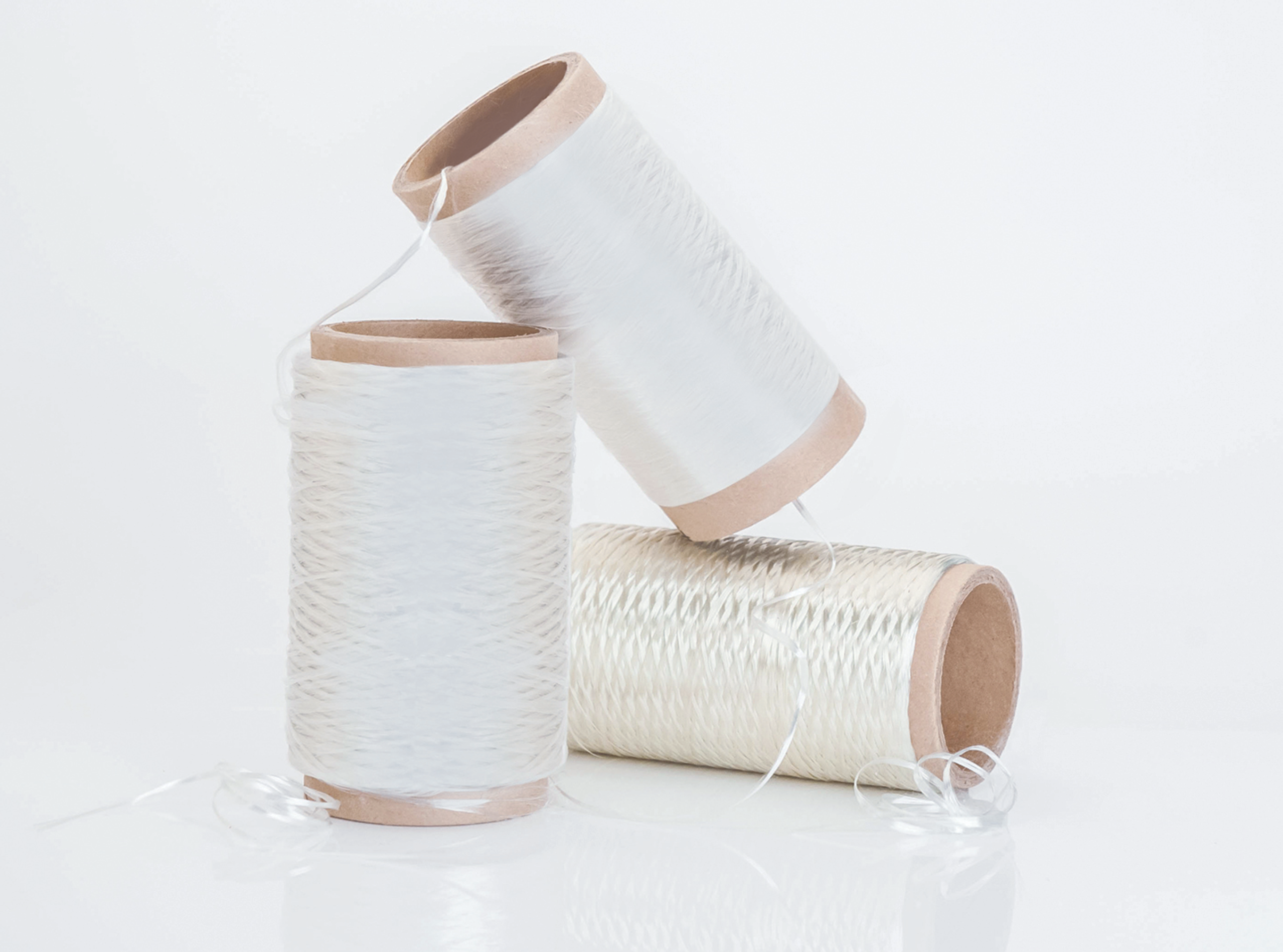
Credit: Evrnu, Nucycl
Evrnu’s Nucycl is made from cotton-rich textiles. NuCycl is a technology that converts pre- and post-consumer, as well as post-industrial textile waste materials, into a new lyocell fibre material.
WHAT ABOUT BIODEGRADABILITY?
Biodegradability is the ability of materials to be decomposed by bacteria or other living organisms (e.g. fungi), which avoids pollution. It is often discussed as an alternative approach for the end-of-life of garments.
When considering biodegradability, the first important parameter is to make sure the fibres in question have the property to be biodegradable. This includes cellulosic fibres (e.g. cotton, hemp, abaca, lyocell), animal fibres (e.g. wool, silk), or some bioplastics engineered to be biodegradable. The second parameter, equally as important, is to consider the treatment of the fibres. Most fibres in the textile industry are chemically treated. This means that even fibres that were originally biodegradable may biodegrade less quickly, or worse, release harmful chemicals into the environment.
Biodegradability can contribute to the closed-loop system of a circular economy (biological loop), but it also means the precious resources that went into creating textile products are not recovered, which is not ideal.
- How to design for recyclability?
With such varying capacities of different recycling methods, it is clear that recyclability is highly impacted by how garments are designed. Realistically, mechanical recycling is the most widespread, yet it also has its limitations. Consider this blueprint of designing for recyclability based specifically on mechanical recycling.
Fibre selection
Here are some considerations regarding the fibre selection:
- Blended fibres are not ideal for recycling in the current context of industrial recycling processes, since their output will still be blended, which is not commercially viable for fashion brands.
- Unfortunately, a lot of products are made from three to four different fibre types, which might prevent their recyclability.
- Elastane fibres are particularly challenging for recycling. As such, discarded jeans containing elastane mostly end up as insulation or industrial wipes.
- Worn out fibres with reduced strength and shorter length are also challenging for mechanical recycling. Designers are recommended to choose good quality materials from the beginning.
The following design recommendations will improve the recyclability of products:
- Choose fabrics made from monofibres or a lower number of fibre types, given they do not affect the lifespan or performance of the product.
- Avoid design features that may prevent the recycling process. For example, membrane structures and padding may easily block cards. Film prints and laminations may completely block the carding process.
- Understand the material and current recycling limitations in your local context and the market you are selling in.
RECYCLED ≠ RECYCLABLE
Recycled or regenerated fibres are an interesting sourcing choice when it comes to ending the reliance on virgin materials. However, recycled or regenerated materials, or materials containing such fibres, are not necessarily easily recyclable. No matter which source of fibres a product is made of (virgin, recycled, or regenerated), the same considerations around recyclability apply.
Fabric processing
Here are some considerations regarding fabric processing:
- The presence of chemicals and hazardous substances can come from colour dyes and finishings, such as water repellent coatings, glues, or anti-bacterial treatment.
- Chemicals can disturb recycling processes and must be tracked, traced, and removed for cost and energy-efficient handling.
The following design recommendations will improve the recyclability of products:
- Being toxic-free is a common prerequisite for the production of a valuable secondary raw material.
- Designers should check with suppliers to verify whether they use additives and dyestuffs that could lead to recycling problems.
Design and Construction
Design features like the number of components used and choice of fastening methods influence the ease of a garment’s disassembly for recycling.
Trims and accessories need to be removed manually during the recycling process, which is laborious and time-consuming. Minimising use of these decorative elements can ease garment disassembly.
Bondings, heat transfers, and silicone prints are not recyclable, and must therefore be removed manually through cutting around them before the remaining fabric gets processed. In some cases, they may prevent the garment’s recyclability entirely, so are best avoided.
Stitching thread fibres should match the fibre content of the fabric, especially if the product is using a monofibre material. Adopting innovative dissolvable stitches can be an interesting strategy to recover entire pattern pieces if you can consider remanufacturing instead of recycling.
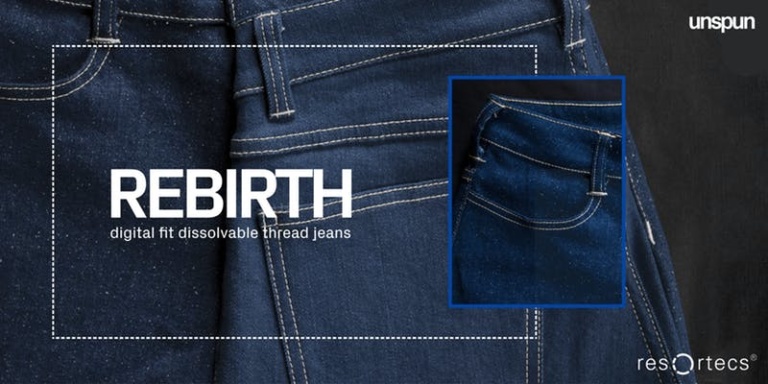
Credit: unspun
US and Hong Kong-based denim brand unspun developed a pair of jeans using Resortecs’ dissolvable stitching threads. Through a bespoke clothing collection programme, unspun is able to recover the fabric and trims of worn denim jeans and use the materials to remanufacture new products.
Labelling
Once all the design decisions are made, they need to be communicated accurately so that consumers and recycling facilities know how to handle a product at the end of its life.
Most of today’s recycling value chain around the world still relies on correct labelling and material identification. Depending on the product and based on legislation, only 95–98% of the fibre content must be declared on the label. Unfortunately, incorrect and insufficient labelling is prevalent. Accurate labelling is vital for future recycling, so designers should be fully transparent on their labels. It is all the better to go beyond what regulations require by detailing the name and type for every component, including textiles, threads, and trims, as well as their production.
Closing the loop
Getting acquainted with local recycling solutions and partners to gauge what recycling options are available can help guide certain design decisions.
Prioritising local recycling is also better for the environment since this can minimise the carbon footprint of transportation. Designers can support consumers by providing information about their local recycling programmes, by giving guidance online and in-store, and by partnering with local organisations to ensure recycling when garments reach their end-of-life.
Footnotes
1 Ellen MacArthur Foundation (2017), A New Textiles Economy: Redesigning Fashion’s Future
2 House of Commons: Environmental Audit Committee; Fixing Fashion: Clothing Consumption and Sustainability, 2019
3 Ellen MacArthur Foundation (2017), A new textiles economy: Redesigning Fashion’s Future