Module
The Future of Fashion is Circular
Created by
Redress
Quick Access
Learn more fashion industry terminology from the Glossary.
Quick Access
Learn more fashion industry terminology from the Glossary.
Credit: United Nations

來源:聯合國

来源:联合国
The fashion industry is huge: in 2023 it was worth €1.7 trillion, which represents about 2 to 2.5% of the global annual GDP.1,2 Unsurprisingly, such a big industry will lead to environmental issues. And the industry keeps growing, adding onto its environmental impact unless sustainable and circular strategies are adopted.
While sustainability is a challenge for the fashion industry, it also offers many exciting new opportunities. Did you know that the global textile industry uses 3.25 billion tonnes of materials each year, over 99% comes from new resources.3 And yet, the reality is that 87% of materials currently intended for clothing end up in landfill or are incinerated4 which means a very large amount of the land, water and energy resources that were used for growing our new resources are wasted without properly being used to their full potential. That’s where technology, design tools and new innovations can come in handy by providing a new solution to reducing waste and extending the life of our clothes.
This module looks at the innovative brands and start-ups that are creating solutions so we do not waste so many natural resources. They develop new fibres, design concepts, manufacturing processes, and business models, all of which aim to build a more sustainable and circular future for fashion.
1. From a Linear to Circular System for Fashion
Before we dive into what amazing solutions exist to make the fashion industry better, let’s look into why the fashion industry is so polluting in the first place.
Credit: Redress
圖片來源:Redress
图片来源:Redress
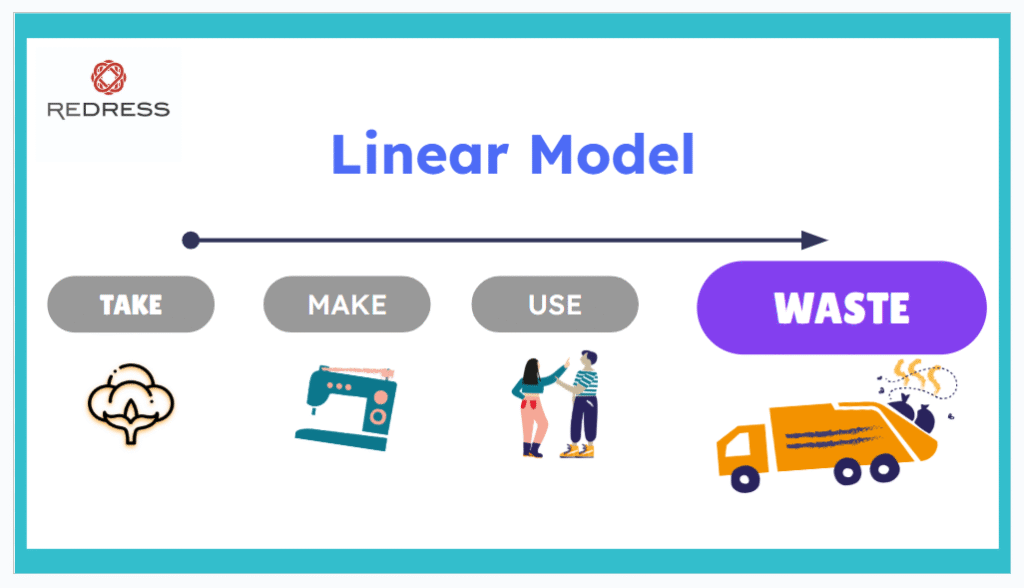
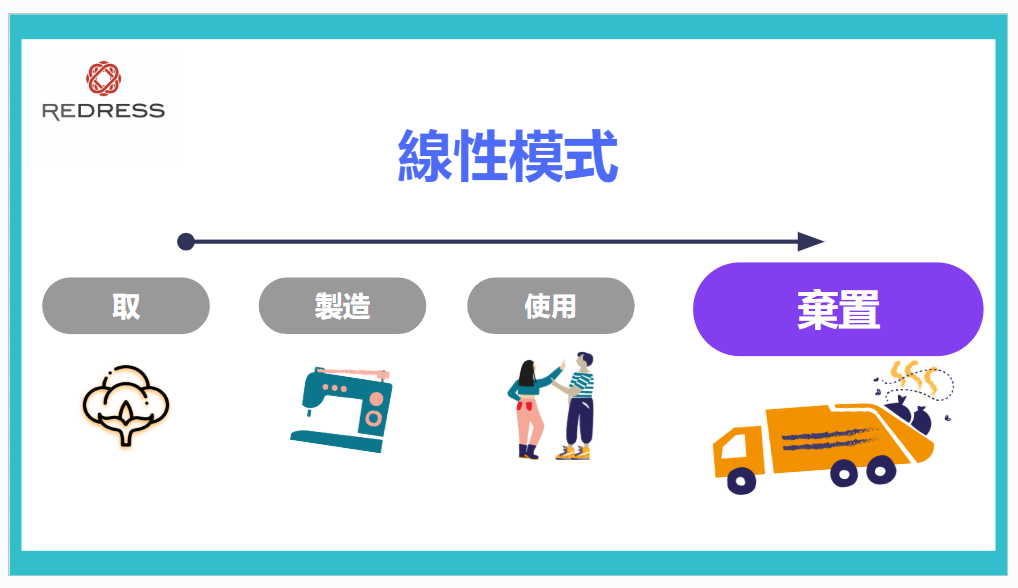
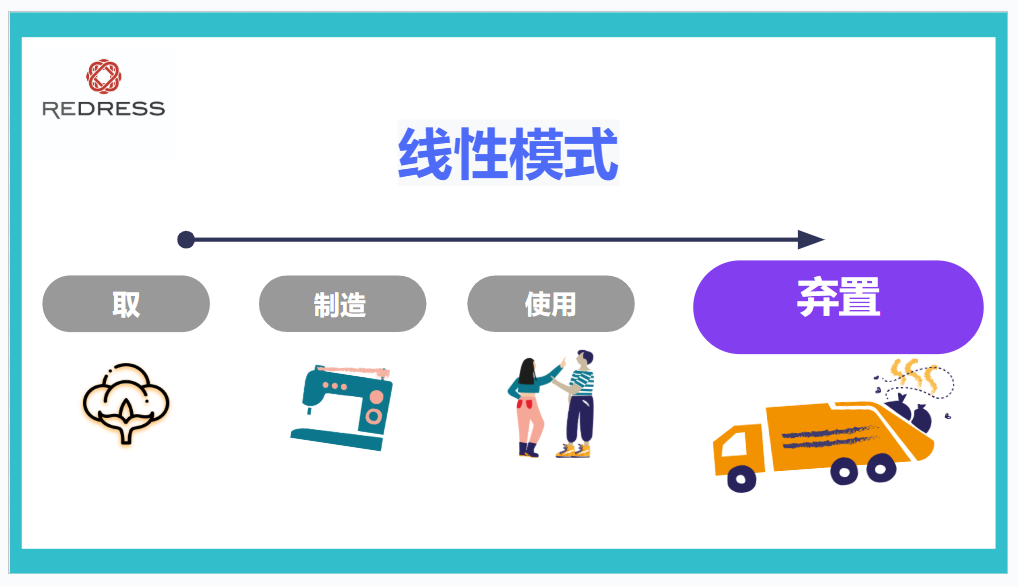
The fashion industry uses what is known as a ‘linear system’, which creates vast amounts of waste and pollution, and doesn’t take into consideration the fact that our natural resources are limited. This is unsustainable, especially when you consider that we produce 100 to 150 billion garments every year.5 Relying on this linear fashion system means to:
- TAKE resources from nature, as if they were unlimited
- MAKE garments, creating a lot of pollution and waste
- USE garments for a short period of time, as if they were disposable
- WASTE the garments, by throwing them away in the trash after a short period of time
To counter this drain on our planet’s resources, we need to rethink and redesign how we manage natural resources, how we make and use products, and what we do with things we don’t want anymore. The fashion industry needs to change from a ‘linear system’ to a ‘circular system’.
Credit: Redress
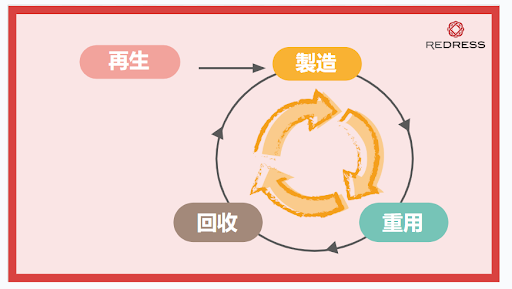
圖片來源:Redress
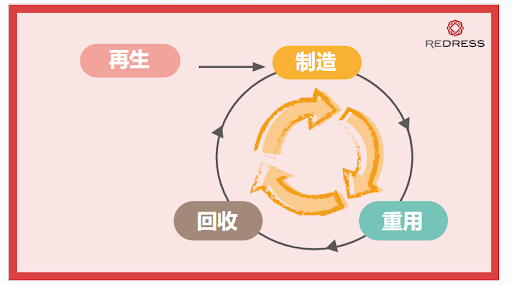
图片来源:Redress
What is a circular system?
It is a system that industries such as fashion can use, where:
- materials never become waste,
- nature is regenerated,
- and responsibility is taken for products’ environmental impact during its production, its use, and its end-of-life.
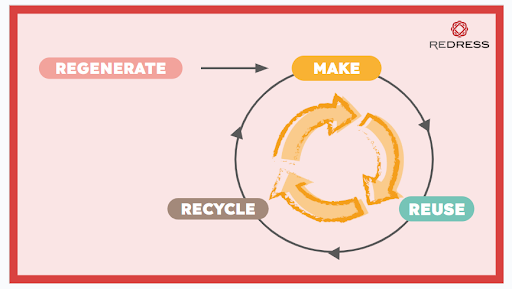
In practice, going from a LINEAR to a CIRCULAR fashion system means to:
- REGENERATE nature and ensure our soils are healthy instead of depleting natural resources when sourcing materials
- MAKE clothing in ways that eliminate waste and pollution at every stage of design and production
- USE and REUSE textiles and garments responsibly, keeping them in use for as long as possible
- RECYCLE garments when they can no longer serve their purpose
To shift to a circular fashion system, everyone has a part to play, from farmers to consumers, financiers, designers, brands and suppliers, waste collectors, governments, and nonprofits. Ultimately, we all need to create a new system that better protects our planet together. Let’s discover the roles of designers and brands, consumers, governments, and NGOs in accelerating circular fashion.
2. The role of designers and brands
Around 80% of clothing’s environmental impact comes from design decisions.6 This means that when products are designed, important decisions that will determine whether the product is more or less sustainable are made: from the product’s composition, to how it will be produced, how it might be used, and what might happen to it at the end of its life. By changing how we design things, we can avoid creating waste and pollution in the first place.
Innovative brands and start-ups are researching and developing new materials and processes that reduce the amount of natural resources used in clothing production, while also reducing pollution and waste.
Designing for low impact materials
Farmers, textile mills, and engineers throughout the fashion supply chain are working to reduce the impact of textile fibres needed to create garments. This is part of the REGENERATE pillar. For example:
- Regenerative agriculture is increasingly developed for natural fibres, which prioritises healthy soil while avoiding the use of toxic chemicals.
- Innovative materials, called biomaterials, are developed using food waste or byproducts such as mushrooms, pineapple leaves, or orange waste. Biomaterials usually employ processes that are more efficient in terms of water, chemicals, and energy usage.7
- Recycled materials are gaining popularity. The most impactful ones are made from ‘waste’ materials such as plastic ocean waste or old clothes.
Designing for low impact processes
Once a fibre is selected to make a garment, brands need to work with manufacturers to transform fibres into yarns, and then fabrics. These fabrics also need to be dyed (coloured), and sometimes finishings are added to give them extra properties like quick-drying or waterproofing. Here’s how some manufacturers are trying to minimise environmental impact with these steps:
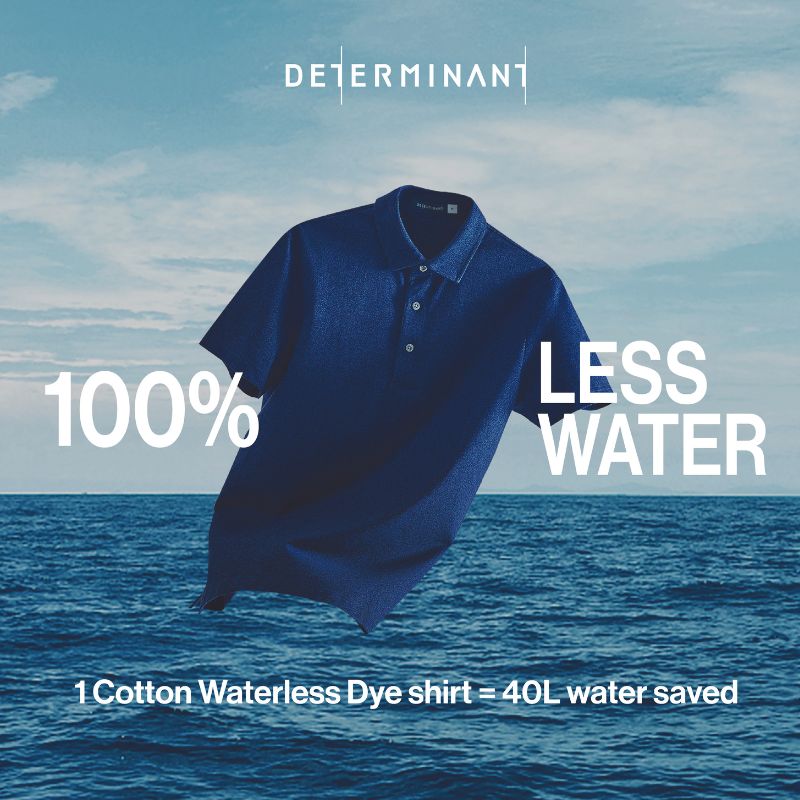
Credit: Determinant, Hong Kong
- Saving water using waterless dyes: Traditional textile dyeing technique would require large water baths to dissolve dyestuff and chemicals when adding colour to fabric. Waterless dye significantly reduces or eliminates the need for water and often harsh chemicals in the dyeing process. An example of this technology is Determinant’s waterless dye shirt from Hong Kong.
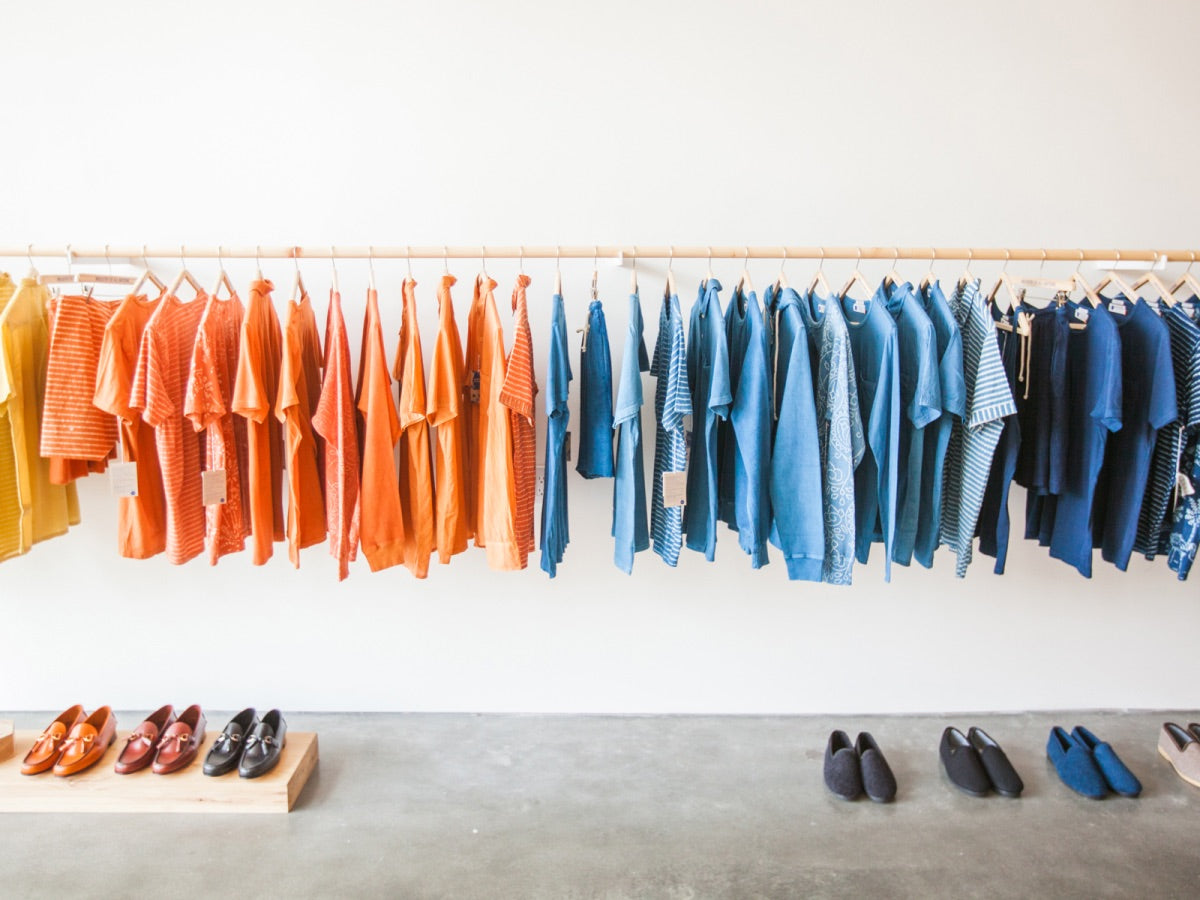
Credit: Industry of All Nation
- Eliminating pollution using natural dyes: dyestuff used to colour our fabrics are chemicals often made from fossil fuels, which are highly polluting to create, as well as if they are released in the environment after manufacturing. Switching to natural dyes is a way to eliminate most pollution. An example of this technology is Industry of All Nations from the USA, which works with local knitting mills and dye houses that use natural dyeing processes for their garments and use certified organic dyes.
- Minimising carbon emissions using renewable energy: during the manufacturing stage, factories need a lot of energy to heat up the baths for dyeing and finishing. They often still rely on coal, a fossil fuel that is not renewable and creates a lot of pollution. Nowadays, factories are working to eliminate coal and switch to renewable energy.
Designing for low waste
Once the materials are selected, designers come up with designs to transform a flat fabric into a real wearable garment. In this process, they usually try out different design concepts and have to create multiple samples (garment trials). Additionally, cutting fabric to make garments is not always efficient, with approximately 15% of textiles being wasted8 during pattern cutting. Designers and brands have come up with smarter ways of designing that create less waste.

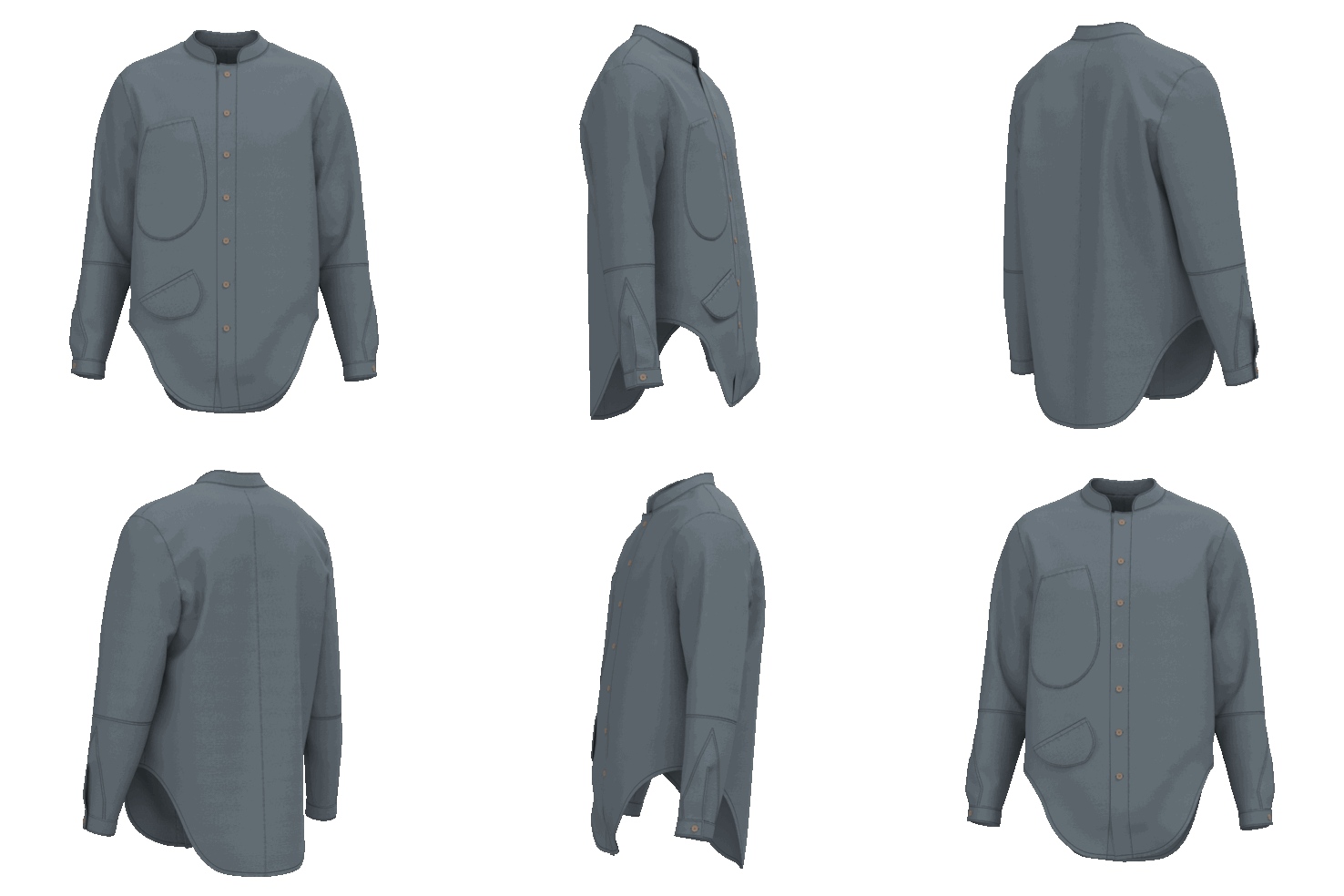
Credit: Pattern from Le Ngoc Ha Thu, 3D design simulation from Queenie Cheng
- 3D design minimises the need to create physical samples by creating virtual samples. This allows designers to try multiple design concepts without wasting any fabric. It can also help them maximise the usage of fabric so there is less waste during pattern cutting.
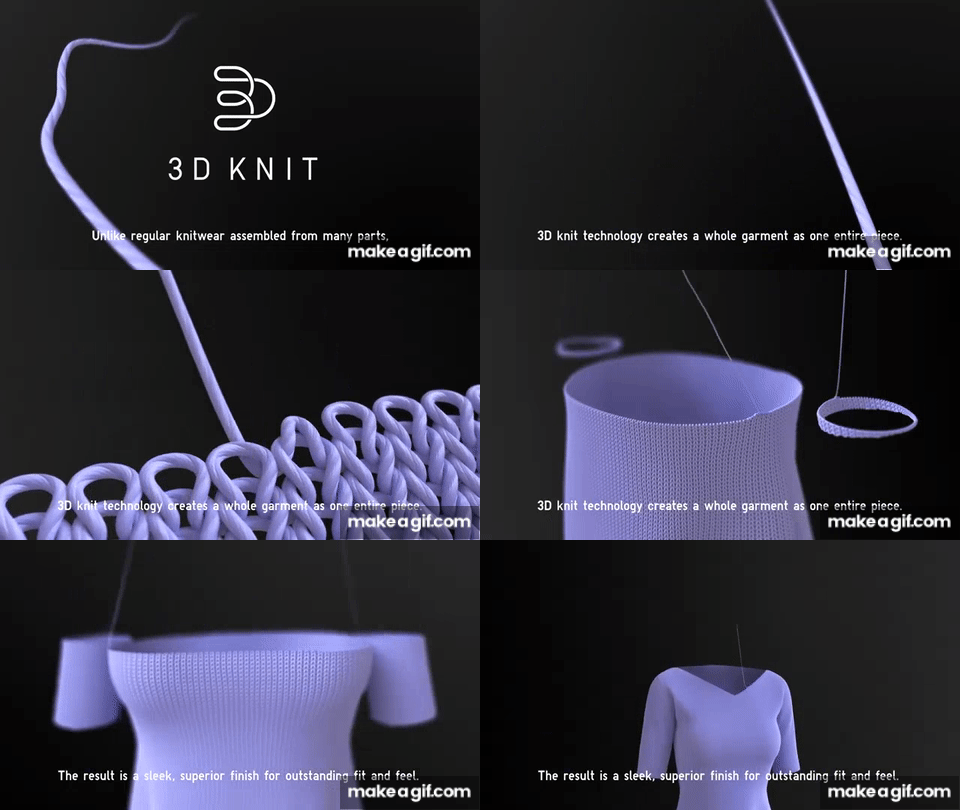
Credit: 3D Knit from Uniqlo
- Zero-waste design is a design technique that eliminates textile waste by maximising the usage of fabric to eliminate waste during pattern cutting, or maximising the use of yarn when knitting.
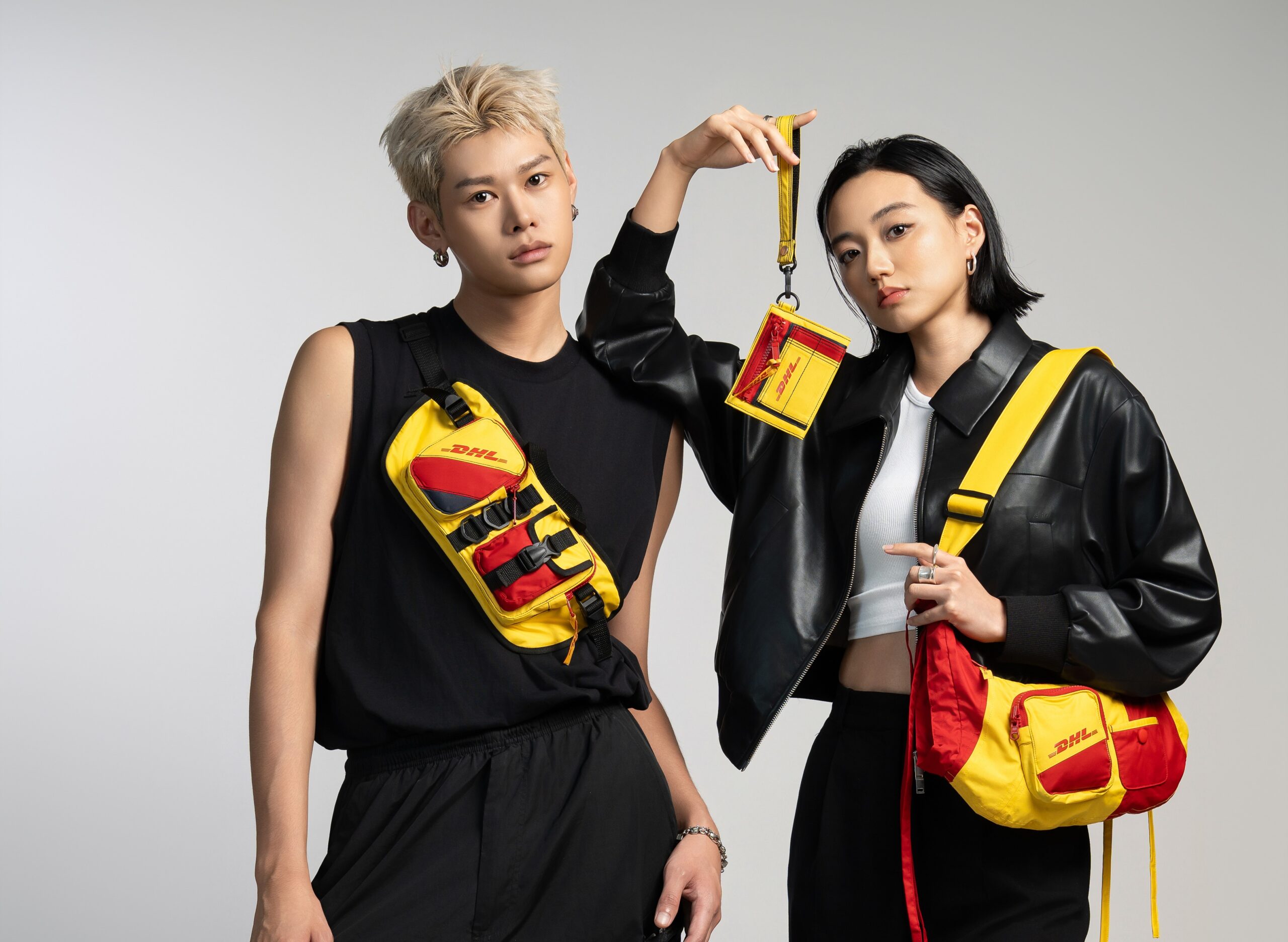
Credit: Redress x DHL (by Angus Tsui)
- Upcycling is a design technique that uses ‘waste’ such as discarded materials or garments to create a new product. An example of upcycling is the collaboration between DHL and Angus Tsui, which resulted in DHL uniforms upcycled into handbags.
Designing for longevity
Brands have the responsibility to make sure that their products can be worn for a long time. This means they need to pay attention to the quality of the materials and how the product is made. Brands should also make efforts to get consumers emotionally attached to the product so they can cherish it for a long time. Some companies are really inventive when it comes to designing for longevity. Here are some examples:
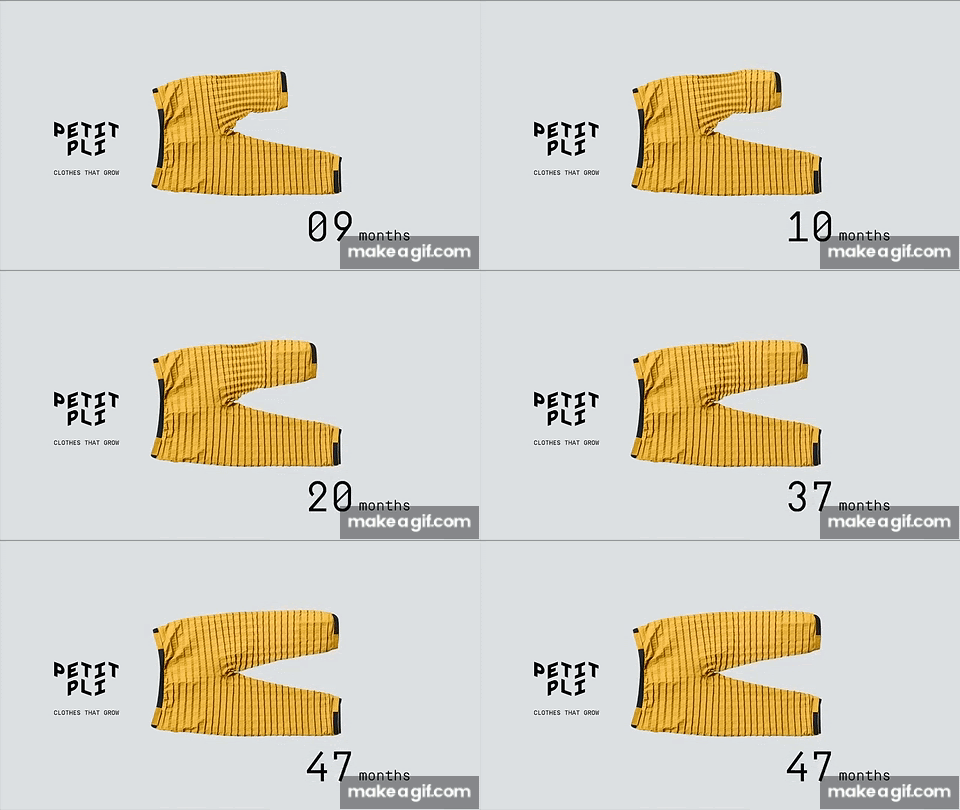
Credit: Petit Pli
- To ensure kids can wear their clothes for as long as possible, the brand Petit Pli got inspired by aerospace engineering: they applied origami techniques into children’s wear. This resulted in garments that can be kept three times longer as it grows with its wearer.
- To help consumers connect emotionally with their garments, brands are using digital technologies such as blockchain or NFC. From telling the product story, to sharing manufacturing information and care instructions, these digital technologies are useful tools to help provide facts about the product. But most importantly, these tools help brands communicate effectively with their consumers to build brand loyalty.
Designing for recyclability
The recyclability of garments is an important factor in circularity: it determines if a product can go through recycling to make a new product or if it’s going to go to landfill. When designers create products, they have to think about what makes a product recyclable: the composition, the way it was sewn together, the inclusion of hard components, and so on. Closing the loop requires innovative ideas from designers, factories, and scientists. While designers have to think about all of these design decisions, recycling companies also have to innovate so we can recycle even more clothes.
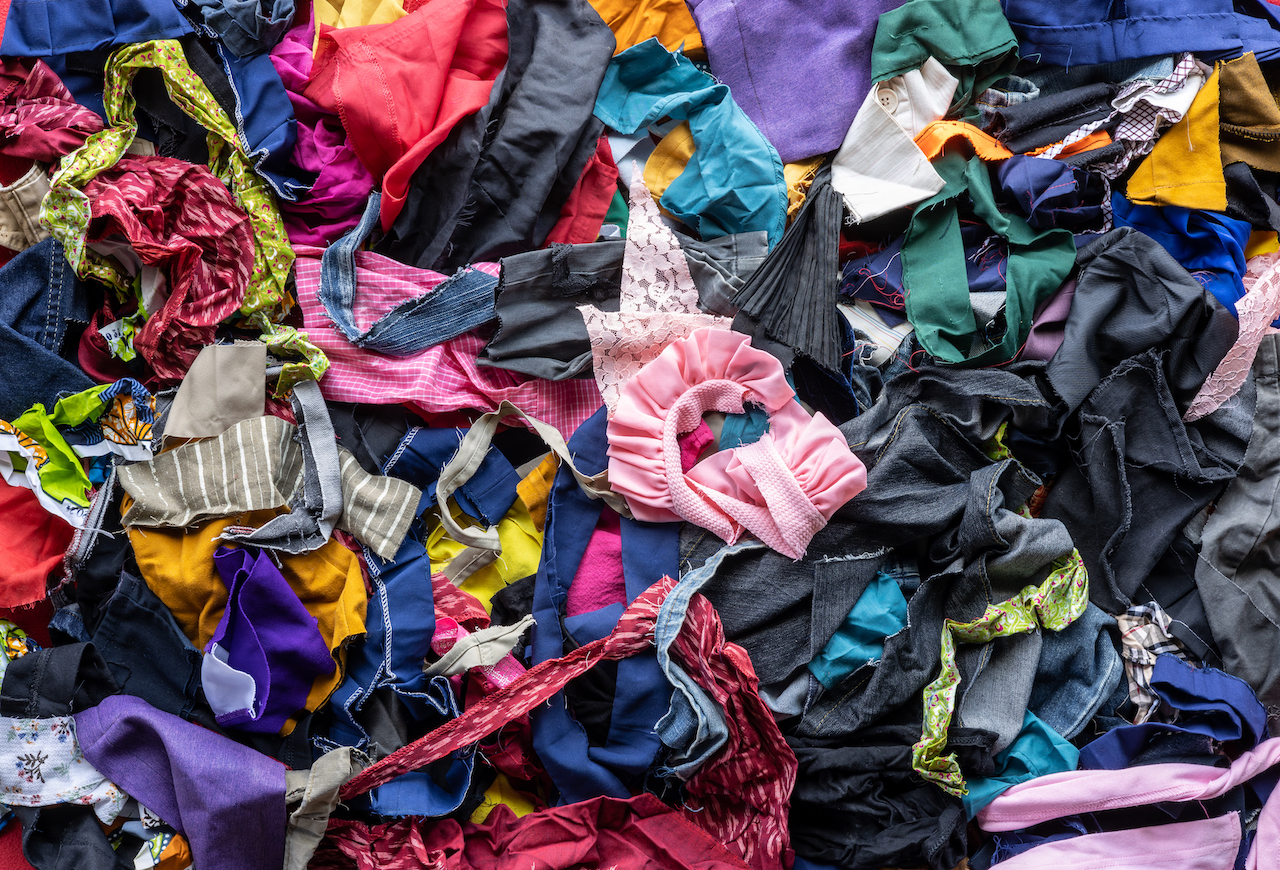
The most widespread technique in the world for recycling is mechanical recycling. This technique consists of cutting textiles into small pieces and shredding them until they become fibres again, ready to be spun into new yarns. This is quite simple and does not consume too much energy, but it has its limitations: the new fibres are much shorter. This means we cannot do mechanical recycling over and over again.
Credit: iStock
To increase the quantity and quality of textile recycling, companies worldwide are working on innovative recycling technologies. These technologies can separate mixed fibres and convert old garments into new fibres that are of good enough quality to be used in new clothing.
3. The role of consumers
Consumers have a critical role in accelerating the shift to a circular fashion industry. It all starts with adopting healthier consumption habits. When looking for change and newness, we need to buy less, buy better, and give clothes multiple lives.
Within our existing wardrobes
- Reusing and keeping our clothes longer can curb the need to constantly buy and replace them. One in two shoppers say they don’t want to be seen in the same outfit twice, according to ThredUp’s 2020 Resale Report. But by choosing to extend the life of our current clothes twice, we can reduce their greenhouse gas emissions by half. For the sake of our planet, we should all buy less.
Credit: Nudie Jeans
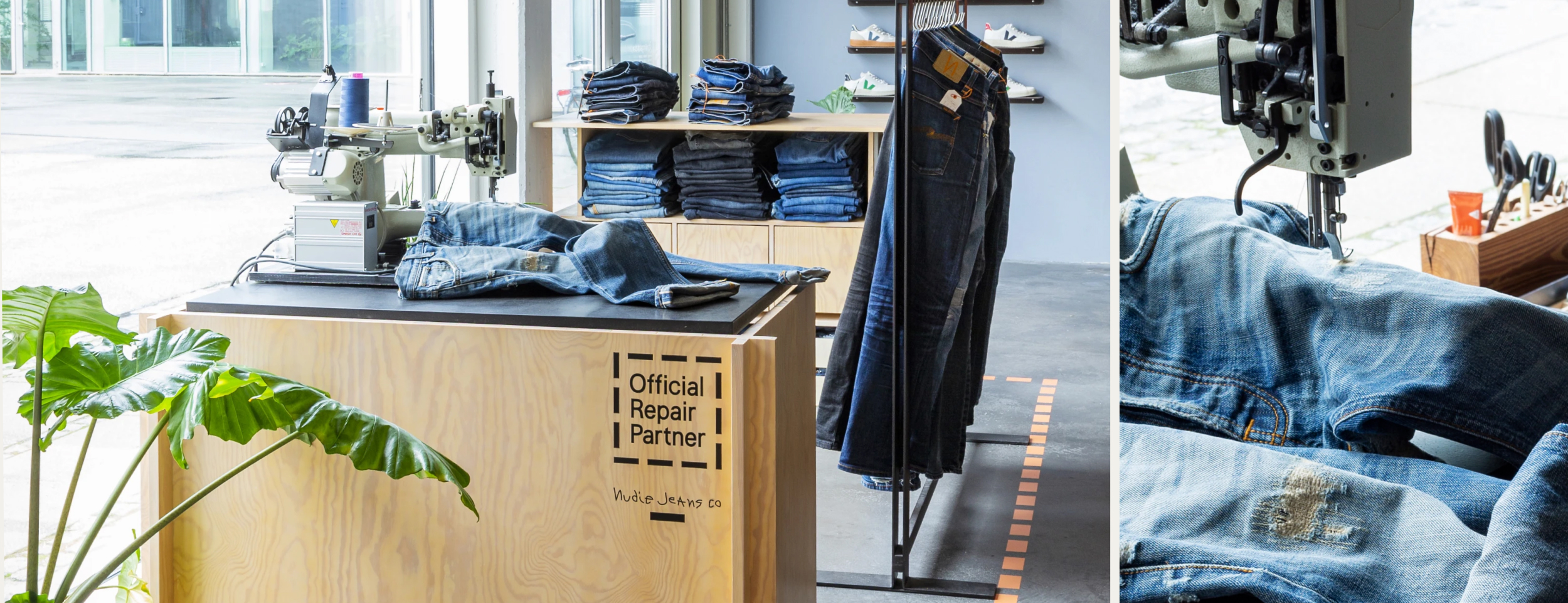
- Caring for your clothes properly: This includes reading care labels, washing only when needed, repairing your clothes to extend their lives, and altering clothes so they can fit better (update the style, the fit, etc). Good quality clothing is often discarded when one part is damaged through wear and tear, e.g. a button falling off or a faulty zip. By offering repair services, brands can help consumers use their clothes for longer. For example, Nudie Jeans offers lifetime free repairs on their jeans and sends repair kits to help customers perform simple mending at home.
When looking for change
- Buying pre-loved clothes: Companies like Patagonia are offering credit to customers when buying back eligible pre-loved Patagonia gear. This allows clothes to find a new home and stay out of the landfill.
Credit: Lululemon Hong Kong
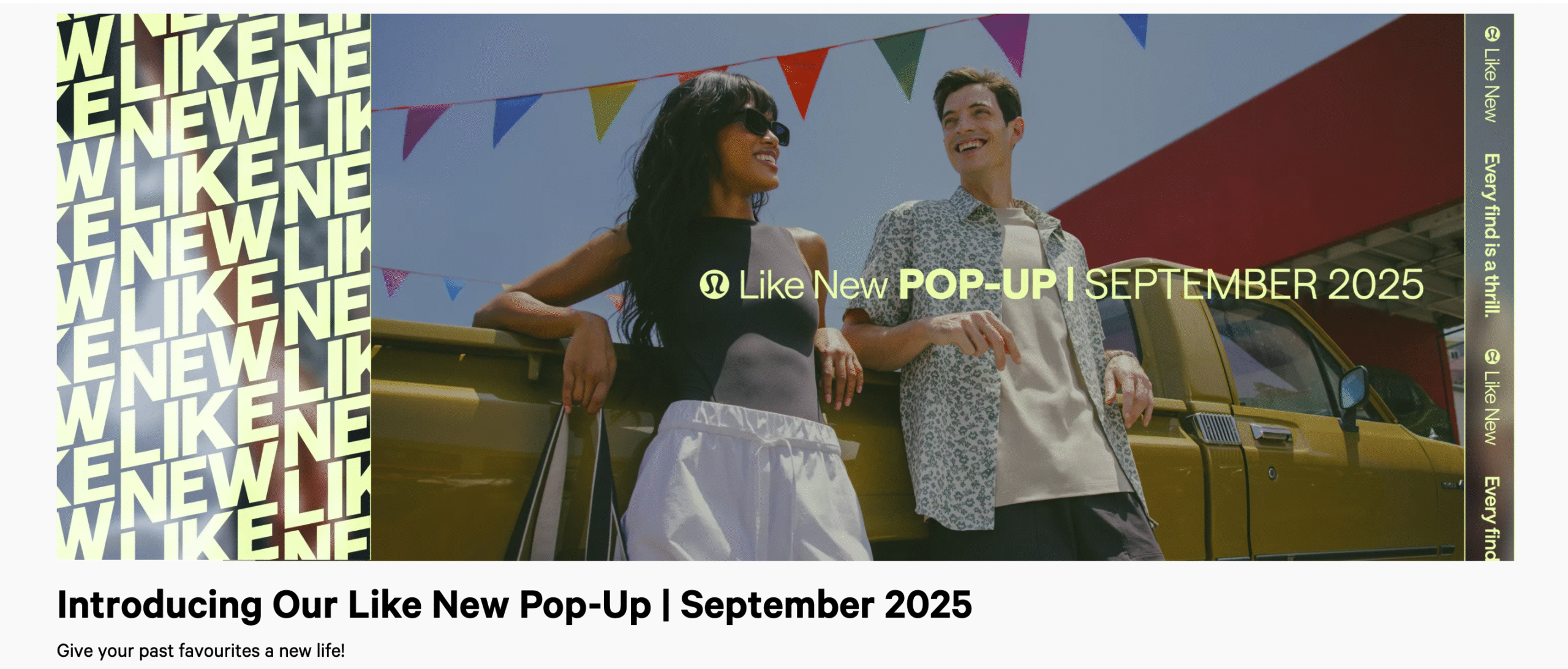
In Hong Kong, consumers can now buy secondhand conveniently from a variety of online and offline shops. Some brands are also starting to sell their own preloved items like Lululemon, who launched their first ever “Like New Pop-Up Event” in September 2025. If consumers can show support to these initiatives, we may convince brands to consider keeping these services and product lines in the long run.
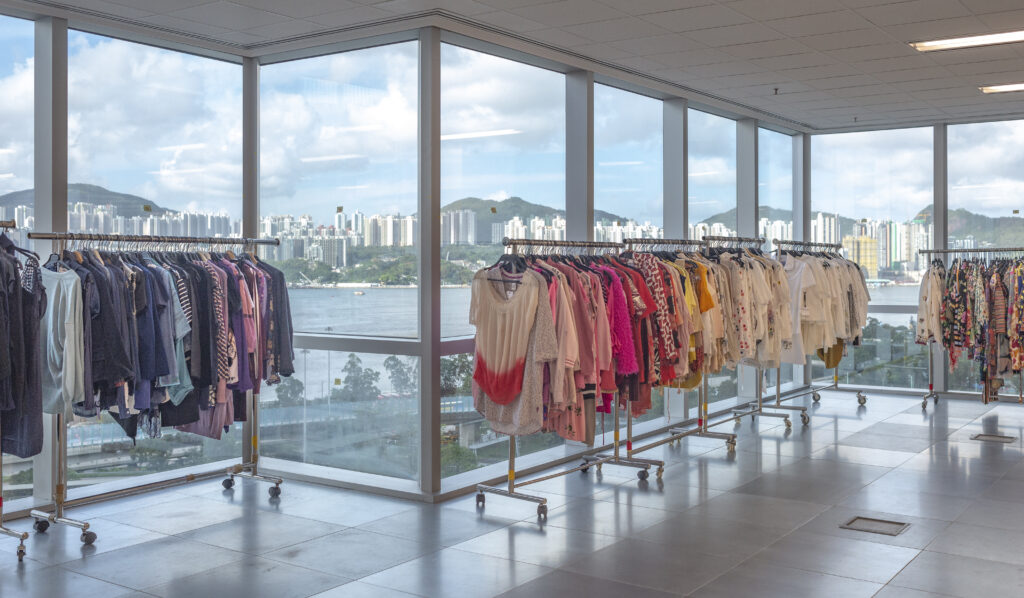
Credit: Redress
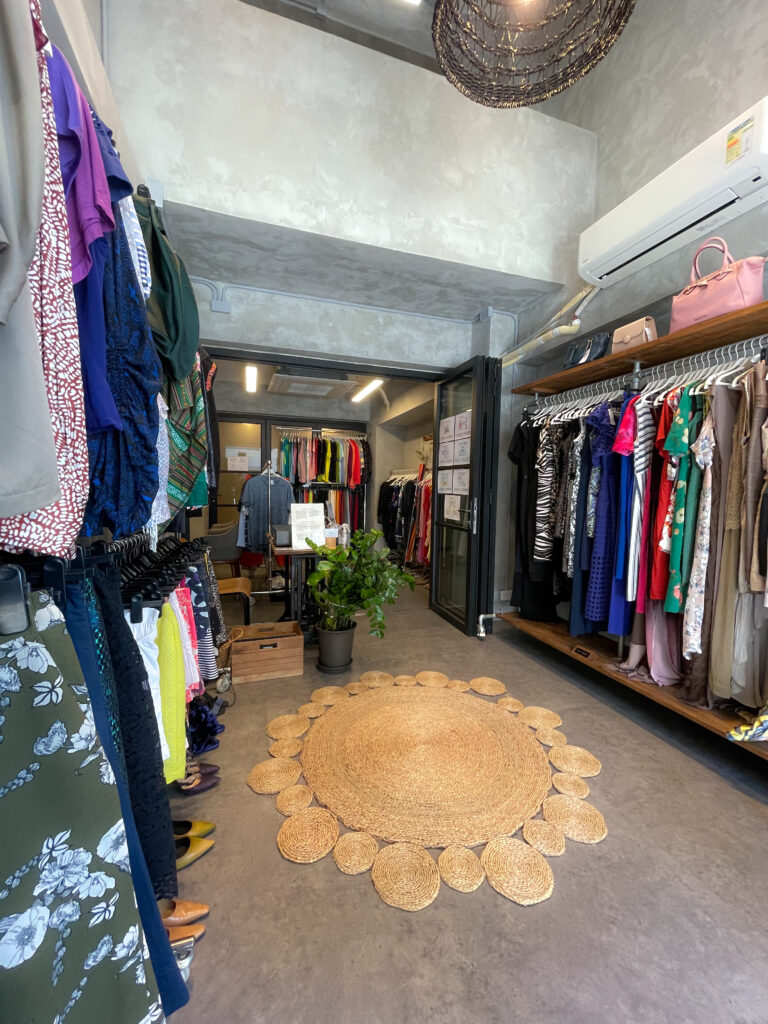
- We want to show you just how fun secondhand fashion can be! Many NGOs, social enterprises and companies are exploring and expanding the local secondhand scene. Redefining secondhand fashion, together they make secondhand clothing accessible, trendy, affordable and desirable. Choosing to shop for secondhand items is a great idea, offering great value to you while doing the environment a huge favor. When you choose secondhand, you give clothes that may have ended up in landfills a new life and if more people fell in love with shopping secondhand we could reduce the demand for new clothing, which takes a lot of resources to produce. Let us introduce you to various secondhand shops around town.
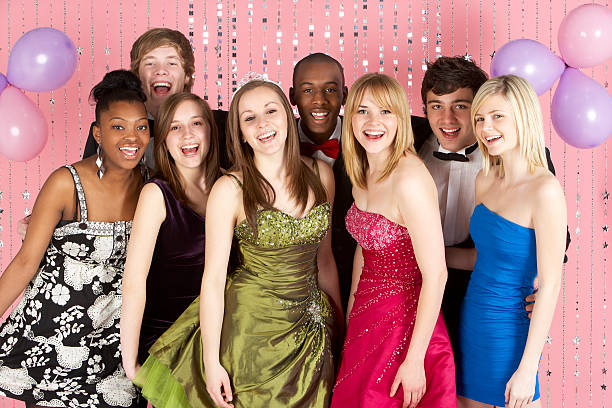
Credit: iStock
- Renting garments is another affordable and sustainable option, instead of buying brand new items that may not have multiple uses. Pret-a-Dress and Wardrobista each have a rental collection for special occasions, which promotes shopping less and renting more. Many bridal rental shops also have a wide selection of evening gowns and tuxedoes, making them a good place to look for prom outfits too!
When clothes can find a second chance
- Reselling: Technology development in digital platforms has conveniently made selling our used items easier. Online marketplaces like Instagram, ThredUp, and Carousell provide an organised and accessible option to individuals who trade amongst themselves and give extra life to used goods.
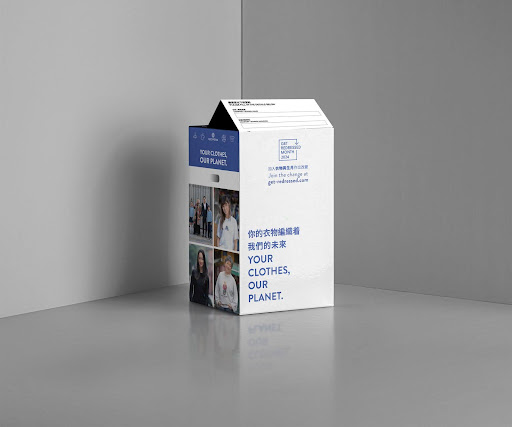
Credit: Redress
- lululemon Hong Kong’s clothing collection programme with Redress collected lululemon products targeting to resell them. This was an innovative business model that we were the first to try in Hong Kong, spearheading and demonstrating a new potential circular solution for the company’s loyal followers.
- Giving away to a “clothing collection programme” is when brands work with third-party organisations to arrange collection and redistribution of unwanted clothes for re-use by charities, resale, or recycling. Our year-round clothing collection programme with various brands in Hong Kong collects roughly 2–3 tonnes of clothing per month. While giving away our clothes to such programmes can be a convenient solution to consumers, it is not a long-term solution, as charities may not always need particular items. The option to give away clothes also should not be an excuse for overconsumption habits.
- Giving or swapping clothes with friends and family is another sustainable way to give new life to your unwanted clothes. This can be a fun activity to organise in your school, as a way to connect with your community while practicing sustainable habits.
When the clothes can no longer be worn
- Recycle: if you are dropping off to local clothing collection or textile recycling schemes, choose programmes that give information about how they process these unwearable clothes and what the final product will be (ie. recycled fibre, insulation material, cleaning cloth, etc).
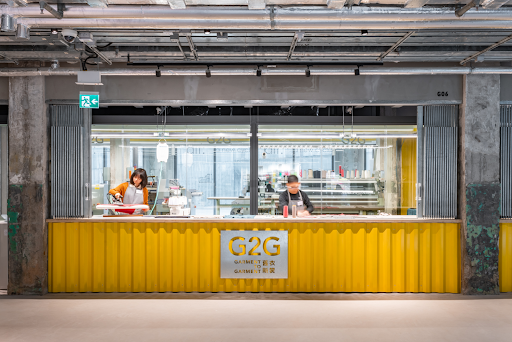
Credit: G2G Recycle System by HKRITA
Not all recycling programmes will have a downcycle option for torn and stained clothes. As consumers, we must be critical and aware of greenwashing. A local example is HKRITA, which is developing several technologies, from sorting to fibre separation, to make circular fashion grow.
4. The role of government and NGOs
Institutions across the globe are starting to tackle the issue of fashion’s environmental impact from a governance and regulatory perspective. Through its ‘Strategy for Sustainable and Circular Textiles’, the European Union envisions that by 2030 textile products in the EU market will be durable, repairable and recyclable, to a great extent made of recycled fibres, free of hazardous substances, and produced in respect of social rights and the environment.9 It results in measures such as the mandatory Extended Producer Responsibility where textile and footwear producers will pay a fee for each product they place on the market. This fee will help manage the collection, re-use, recycling and disposal of textiles.10
In China’s 14th Five Year Plan, the country announced ambitious textile-to-textile recycling goals: annually, by 2030, to recycle 30% of textile waste and to produce 3 million tons of recycled fibres, to promote the use of recycled fibres, to improve the network textile waste collection, and to improve standards in sanitisation, trading, and export control of secondhand clothes.11
While governmental legislation is essential to regulate the fashion industry, NGOs are critical actors who work on the ground to mitigate the impact of the industry and empower consumers to make more sustainable decisions. Local charities like Redress provide various services from educational activities to secondhand shopping events to change mindsets and directly reduce the amount of clothing waste. Other NGOs might be working more towards advocacy or operational gaps, either locally or internationally.
NGOs and consumers’ voices are also important to influence industry practices and encourage governments to create more supportive legislation. Everyone, everywhere has a part to play in building a better future by making circular fashion a reality!
QUICK TIPS
- Look for sustainable designs, recycled materials, and responsible brands.
- Re-evaluate your own shopping habits. Before you buy something, ask yourself whether renting is a possible option.
- When thinking about a potential purchase, always ask yourself: 1) Do I need this? 2) Is this something I already have? and 3) Will I be using this often?
- Seek out secondhand shops within your neighbourhood.


Footnotes
- The GDP, Gross Domestic Product, is a measure used to evaluate the health of a country’s economy. It is the total value of the goods and services produced in a country during a specific period of time, usually a year. GDP is used throughout the world as the main measure of output and economic activity.
- Fashion For Good (2020), Financing the Transformation in Fashion
- Circle Economy (2024), Circularity Gap Report 2024, Textiles
- Ellen MacArthur Foundation (2017), A New Textiles Economy: Redesigning Fashion’s Future
- More than 100 billion according to McKinsey & the Ellen MacArthur Foundation, 2015. The World Economic Forum & ShareCloth state that 150 billion garments are produced in a year, 2016.
- European Commission: Directorate-General for Enterprise and Industry and Directorate-General for Energy, Ecodesign your future – How ecodesign can help the environment by making products smarter, European Commission, 2012.
- Fashion For Good and Biofabricate, 2020 Report: ‘Understanding ‘Bio’ Material Innovations: a primer for the fashion industry’
- Timo Rissanen (2005), ‘From 15% to 0: Investigating the creation of fashion without the creation of fabric waste’
- European Commission (2022), EU strategy for sustainable and circular textiles
- European Commission (2025), Directorate-General for Environment
- China, “14th Five Year Plan” – ‘Foster a green, low carbon and circular economy’