
Conjoined, Spliced, and Pieced Techniques
In this activity, you will explore a variety of techniques to reconstruct post-consumer garments into innovative new shapes whilst striving for zero waste.
Our Jeans and the Planet
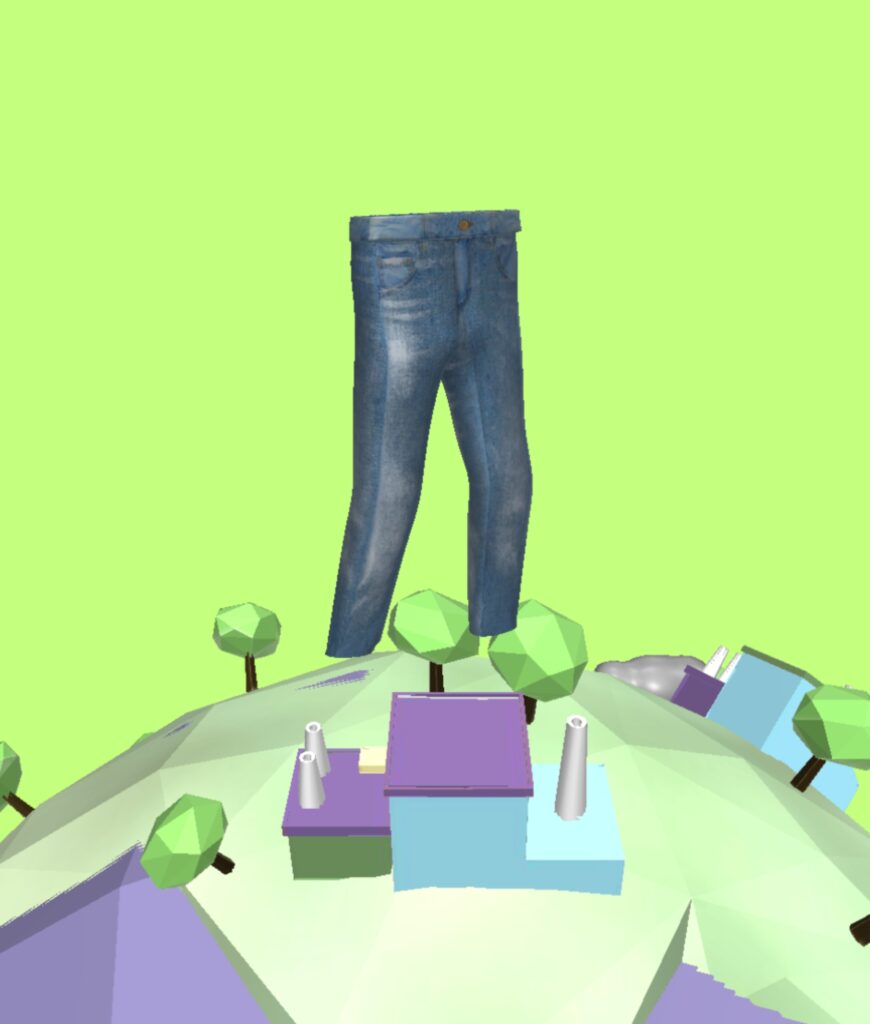
On this interactive website, ‘create’ your very own pair of jeans and see its environmental impact while learning about innovations that are transforming fashion sustainability.
DHL x Angus Tsui: case study
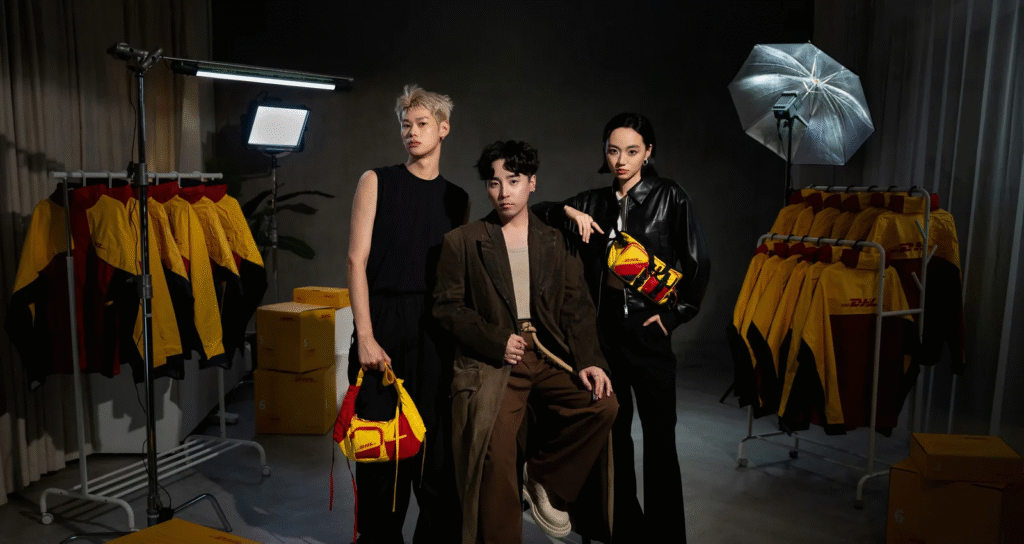
This case study explores how designer Angus Tsui, in collaboration with DHL and Redress, applied circular design techniques to remanufacture corporate textile waste, highlighting how cross-sector partnerships can drive change.
Overproduction and overconsumption

In this module, we’ll explore how overproduction and overconsumption causes environmental problems, and how fast fashion business models and modern marketing have encouraged unsustainable production patterns and consumption habits.
Fashion is eating up our land!

Land is needed to grow raw materials like cotton, trees, and wool necessary to make clothes. But the space taken and pollution created is a major threat to our land.
The truth of your ‘oily’ clothes

The fashion industry emits carbon around the world by using lots of energy. We generate energy by burning oil, which is non-renewable. Once it’s used up, it’ll be gone forever.
Zero-Waste
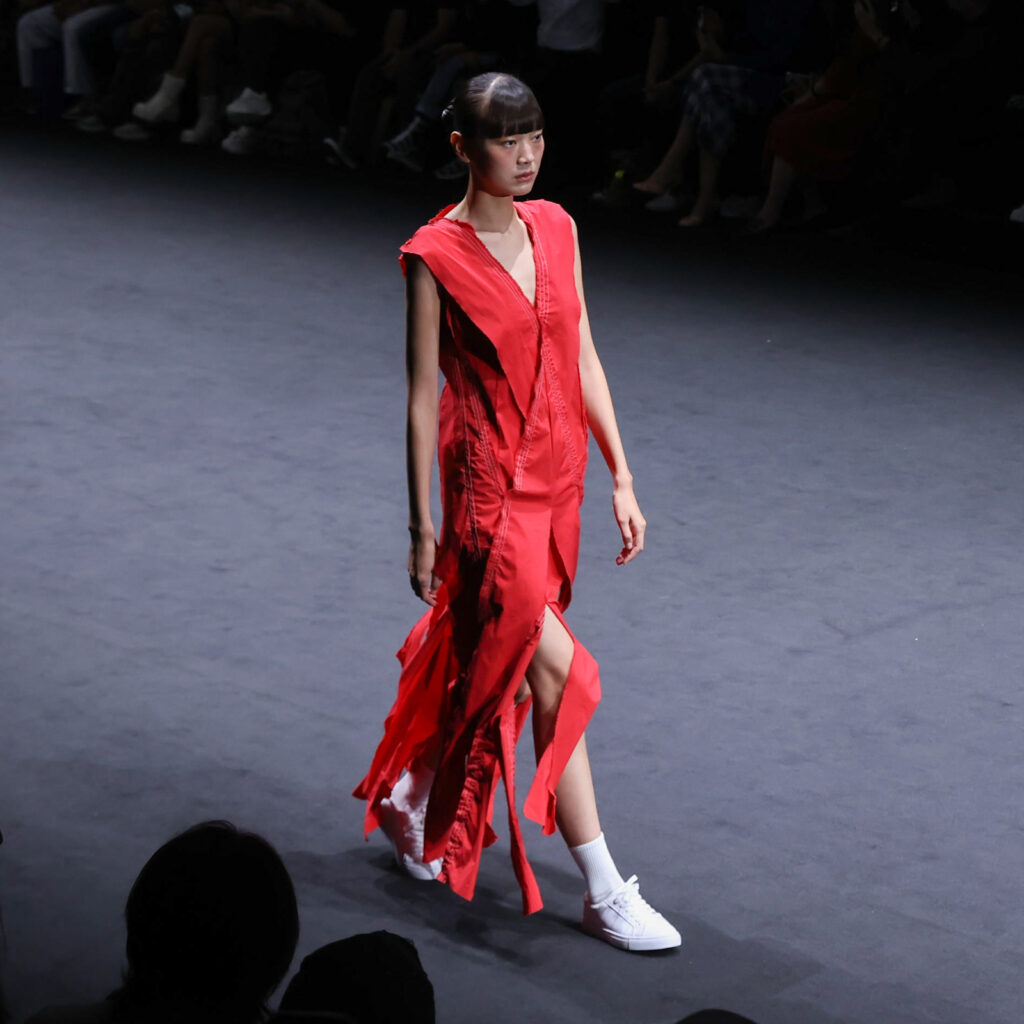
This guide provides an overview of the zero-waste design technique. You will learn different methods and approaches from planning the pattern to final execution.
The murky truth about water

While learning how fashion’s fresh water demands are contributing to water shortage around the world, we’ll dive into fashion’s murky water pollution issues and how it affects people and our planet.
Upcycling & Reconstruction
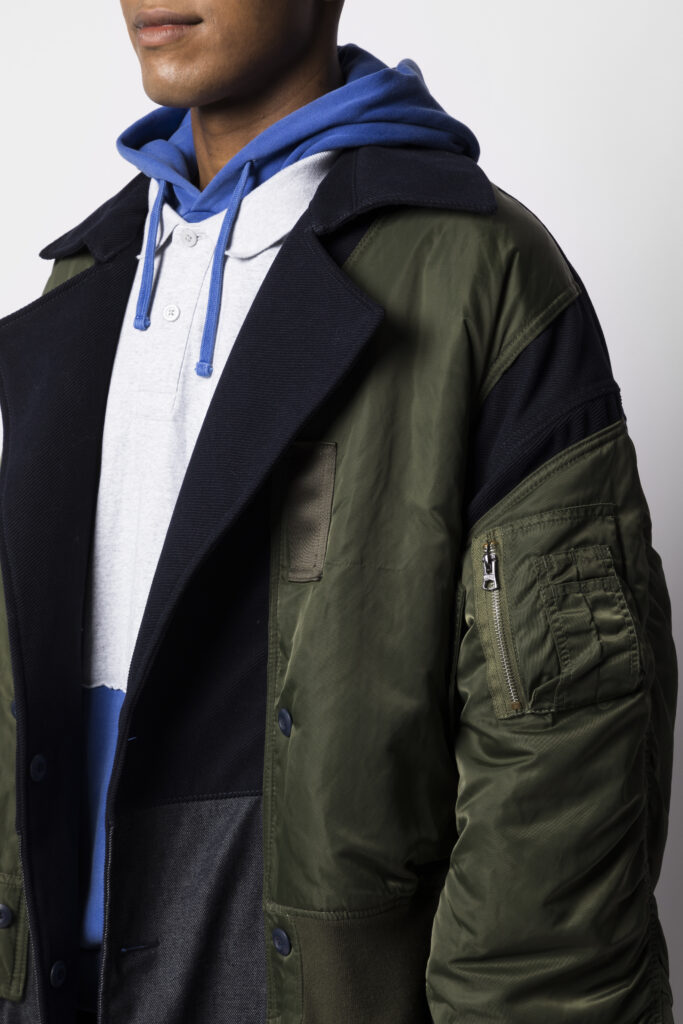
This guide provides an overview of upcycling and reconstruction design techniques. Explore the use of different types of textile waste, waste streams, and ways to develop reconstructed designs.
Reconstruction Technique
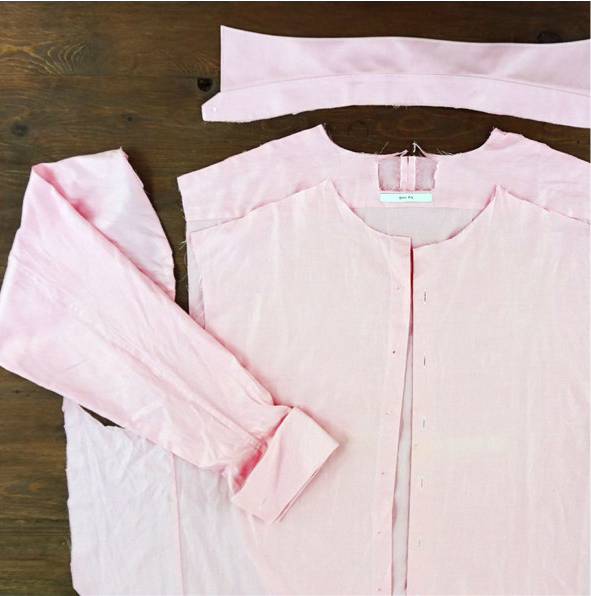
This step-by-step tutorial explores how designers can reconstruct garments into products of higher quality to prolong them, using the example of a regular dress shirt and creative uses for cut-offs.