
Case Study
Regenerative Agriculture: Designing from the Soil Up
Created by
Redress
Quick Access
Learn more fashion industry terminology from the Glossary.
Quick Access
Learn more fashion industry terminology from the Glossary.
Every cotton T-shirt, wool sweater, and silk scarf has a story that begins long before a designer selects a fabric, or a manufacturer turns it into a garment. It starts on a farm, within a landscape and as part of a wider ecosystem.
The fashion industry depends heavily on agricultural systems. Natural fibres such as cotton, wool, and silk originate from farms and landscapes that are increasingly under pressure from soil degradation, biodiversity loss, water scarcity and climate change. As demand for natural fibres continues to grow, attention is shifting beyond fibre yields alone towards farming systems that can balance both productivity and environmental health.
Did You Know?
Up to 40% of the world’s land is degraded, affecting nearly half of humanity and threatening biodiversity, food production, and climate resilience1. For fashion, this matters because the production of the vast majority of natural and man-made cellulosic fibres depends on land-based systems — from cotton grown in fields and wool raised on pasture to silk produced through mulberry cultivation and wood-based cellulosics sourced from forests.
In response, many restorative agricultural practices have gained renewed attention under the umbrella of regenerative agriculture. While many of the underlying principles have existed within traditional farming systems for generations, regenerative agriculture provides a contemporary framework that brings these practices together to address today’s environmental, social, and agricultural challenges. As interest in responsible sourcing grows, it is increasingly being explored as a pathway towards more stable fibre production systems.
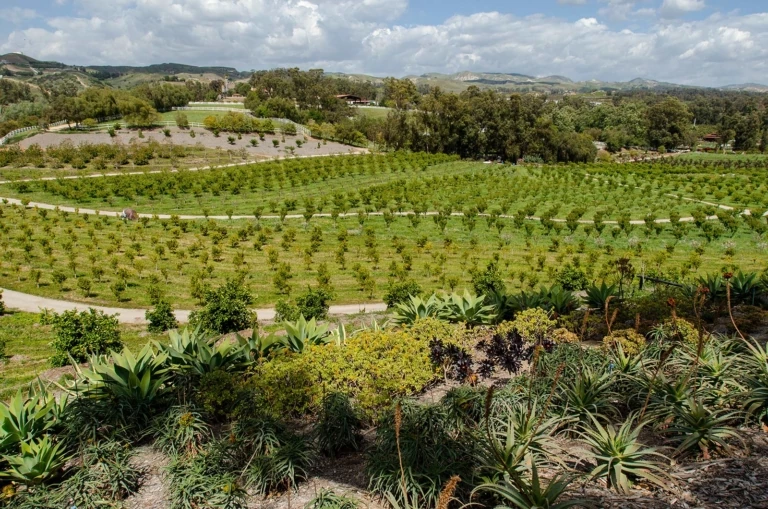
Image Credit: Patagonia
This case study introduces regenerative agriculture through three natural fibre systems — cotton, wool and silk — and explores how farming practices can influence materials, ecosystems and future design decisions.
Understanding Regenerative Agriculture
Regenerative agriculture is an approach to farming that aims to restore and improve ecosystem health while producing crops and fibres. It provides a framework for managing agricultural systems in ways that strengthen soil health, biodiversity, water resources, and farming communities, helping address today’s environmental and agricultural challenges.
So what problem is regenerative agriculture trying to solve?
Conventional farming systems (particularly large-scale farming) often prioritise short-term productivity and yield through repeated cultivation, monocropping (growing the same crop repeatedly on the same land), intensive soil disturbance, and heavy chemical inputs, such as synthetic fertilisers and pesticides. While these approaches may initially increase agricultural production and yields, they also contribute to soil degradation, the loss of nutrient-rich topsoil, biodiversity, and increasing pressure on water systems over time.
In contrast, regenerative agriculture views the farm as a living, interconnected ecosystem. Rather than focusing only on what is extracted from the land, regenerative approaches seek to restore and strengthen the systems that sustain fibre production.
This means considering the relationships between soil, plants, animals, insects, water, and people, rather than focusing only on short-term yield and production outcomes.
In practice, regenerative agriculture may include practices such as crop rotation (growing different crops over time), cover cropping (growing plants between harvests to protect and nourish the soil), reduced tillage (disturbing the soil less), composting (returning organic matter to the land) and rotational grazing (moving animals between areas so pasture can recover). Together, these practices help rebuild soil health and create more sustainable farming systems over time.
Restoring healthy soils sits at the centre of most regenerative approaches. Healthy soils rich in organic matter can support microorganisms, reduce erosion, store water more effectively, and improve resilience to drought and flooding. Regenerative agriculture also seeks to create healthier habitats for pollinators, insects, birds, and other species that contribute to natural pest control, pollination, and ecosystem balance.
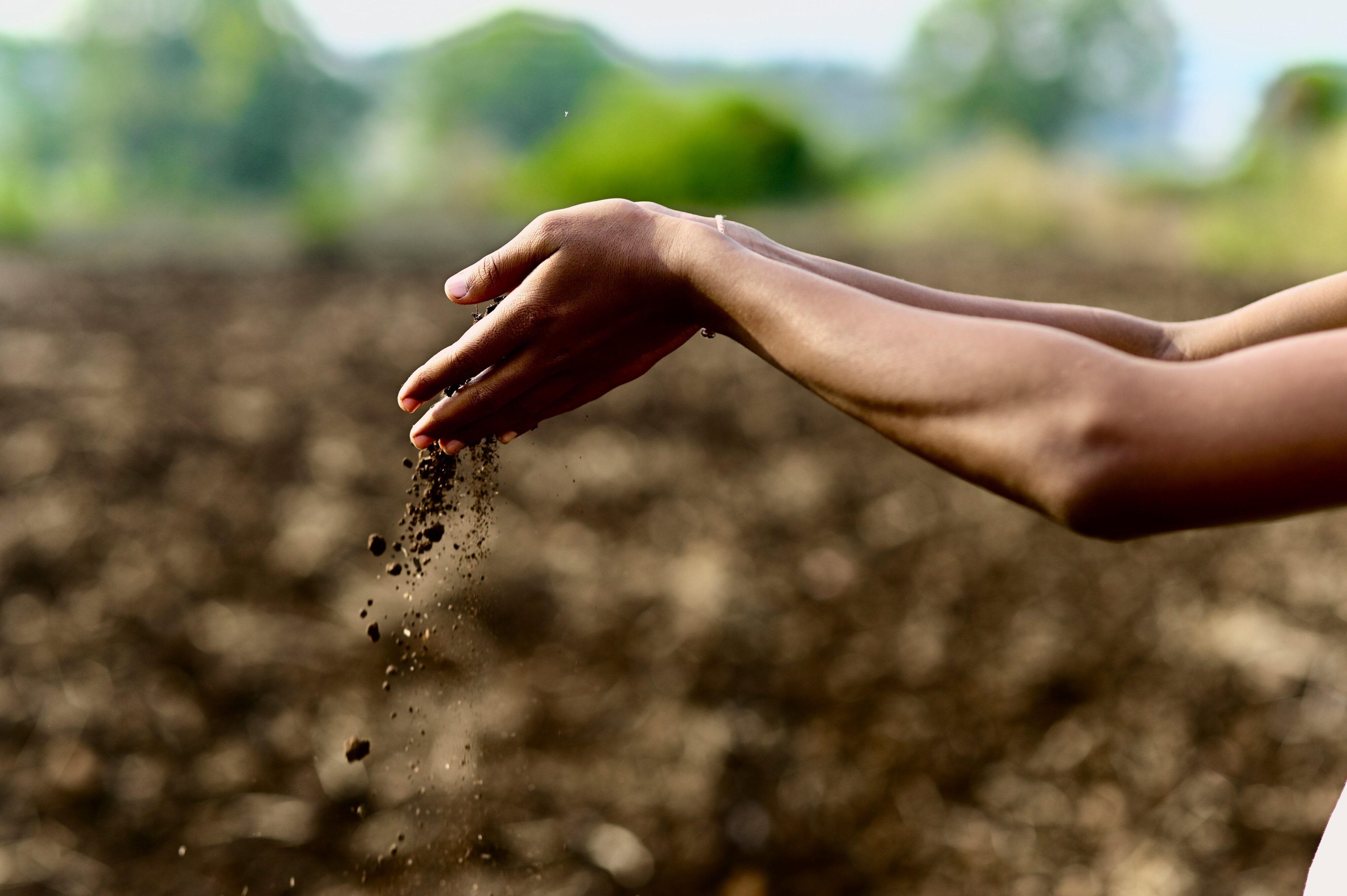
Credit: Rajesh Rajput
From Carbon Emitter to Carbon Sink
Conventional agricultural systems, including those that produce natural fibres, can release carbon into the atmosphere through intensive soil disturbance, land degradation, and reliance on synthetic fertilisers and pesticides. Regenerative agriculture seeks to reverse some of these impacts through carbon sequestration — the process by which atmospheric carbon dioxide (CO₂) is captured by plants and stored in the soil over time.
By maintaining living roots, keeping soils covered with plants or cover crops, and reducing soil disturbance, regenerative practices help build soil organic matter and support underground microbial communities. Healthy soils can therefore act as carbon sinks.
For the fashion industry, which is widely cited as being responsible for around 2–8% of global carbon emissions2, the way fibres are grown can influence not only soil health and biodiversity, but also the climate impacts associated with raw material production.
Is regenerative the same as renewable?
Renewable and regenerative are often used interchangeably, but they are not the same thing. Renewable materials come from resources that can replenish naturally over time. Regenerative approaches go a step further by actively improving the natural systems that produce those resources. For example, wool is renewable because sheep regrow fleece, but wool is only regenerative if grazing practices actively strengthen soil health, biodiversity, and landscape health. A material may be renewable, but that does not automatically mean it was produced through regenerative practices.
For fashion, regenerative agriculture encourages designers to consider not only what fibres are made from, but also how they are grown and how their production influences the farm-to-fibre-to-fashion system.
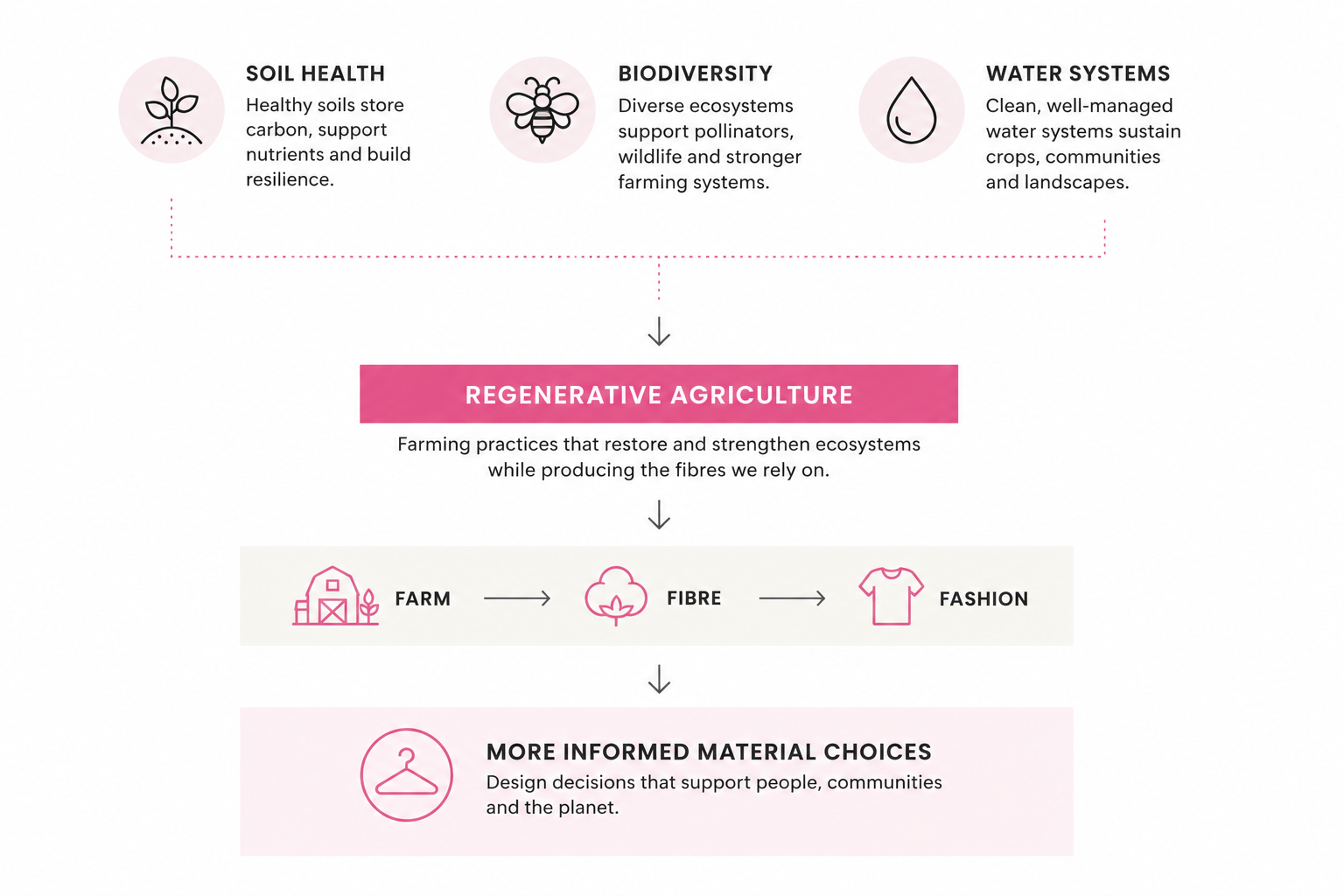
The farm-to-fibre-to-fashion journey reminds designers that material choices begin at the source.
What Does Regenerative Agriculture Look Like in Practice?
While definitions and frameworks can help explain regenerative agriculture, seeing these ideas applied on real farms can make the concepts easier to understand.
Patagonia’s Why Regenerative Organic? video series introduces key regenerative agriculture principles, including soil health, biodiversity, climate resilience, and thriving farming communities through the experiences of farmers and producers.
This featured video focuses on fibre production and demonstrates how regenerative farming practices can influence the materials used within the fashion industry. (Part 1 and 2 of this series provide broader exploration.)
Credit: Patagonia
Why Fashion Is Looking to the Farm
As sustainability conversations evolve, the fashion industry is increasingly recognising that the environmental impact of a garment begins long before it is designed or manufactured. Decisions made at the farm level can shape the quality, availability, and future security of natural fibres.
The scale of this challenge is significant. According to the United Nations Convention to Combat Desertification (UNCCD), the equivalent of four football fields of healthy land becomes degraded every second, adding up to around 100 million hectares every year3. As pressure on land increases, interest is growing in agricultural approaches that can help restore land health while strengthening the future security of the natural fibre systems on which fashion depends.
Growing interest in regenerative agriculture also reflects increasing demand for traceability and transparency. Designers, brands, and consumers want to better understand where materials come from, how they are produced, and what impact they have on people, communities, and the environment.
Industry initiatives and certification systems are emerging to guide this transition. One of the most recognised is the Regenerative Organic Certified® (ROC™) framework, which combines requirements for soil health, animal welfare, and social fairness. Together, these three pillars highlight that regenerative agriculture is not only about environmental outcomes, but also about improving the wellbeing of animals, farmers, and communities.
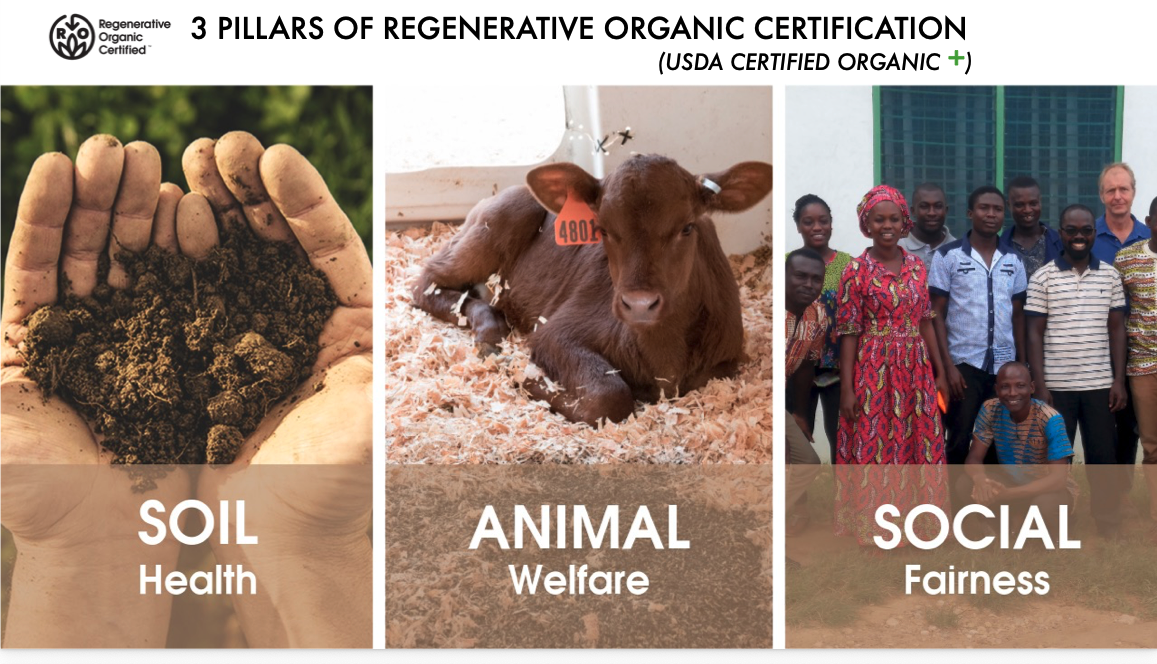
Image credit: U.S. Department of Agriculture
Regenerative Approaches Across Different Fibres
Regenerative agriculture is not limited to one crop or fibre. While the practices used may vary depending on the material, climate, and landscape, the underlying goal remains the same: to restore healthier ecosystems while producing the fibres.
Cotton
Cotton is one of the world’s most widely used natural fibres and remains an important material for the fashion industry. However, conventional cotton cultivation can require large amounts of water and often relies on chemical fertilisers and pesticides. Large areas of cotton are also frequently grown as monocultures, which can reduce soil nutrients, increase pest pressure, and place additional demands on water and chemical inputs over time.
Soorty’s Regenagri Initiative in Pakistan, developed with the Rural Education & Economic Development Society (REEDS) demonstrates how regenerative agriculture principles can be applied to cotton production in practice. Working with more than 1,100 farmers, the programme provides training and demonstration plots where farmers learn regenerative farming practices.
Farmers are encouraged to reduce synthetic fertilisers and pesticides, use organic bio-pesticides, minimise soil disturbance, grow cover crops, and adopt more drought-resilient cotton varieties. These practices help rebuild organic matter in the soil, improve water retention, and create healthier habitats for insects and pollinators such as bees. Since its launch in 2023, the programme has expanded across more than 5,000 acres, with farmers producing over 1,200 tonnes of Regenagri-certified cotton4. While long-term yield and income data have not yet been publicly reported for the Soorty initiative, other Regenagri cotton programmes show encouraging results.
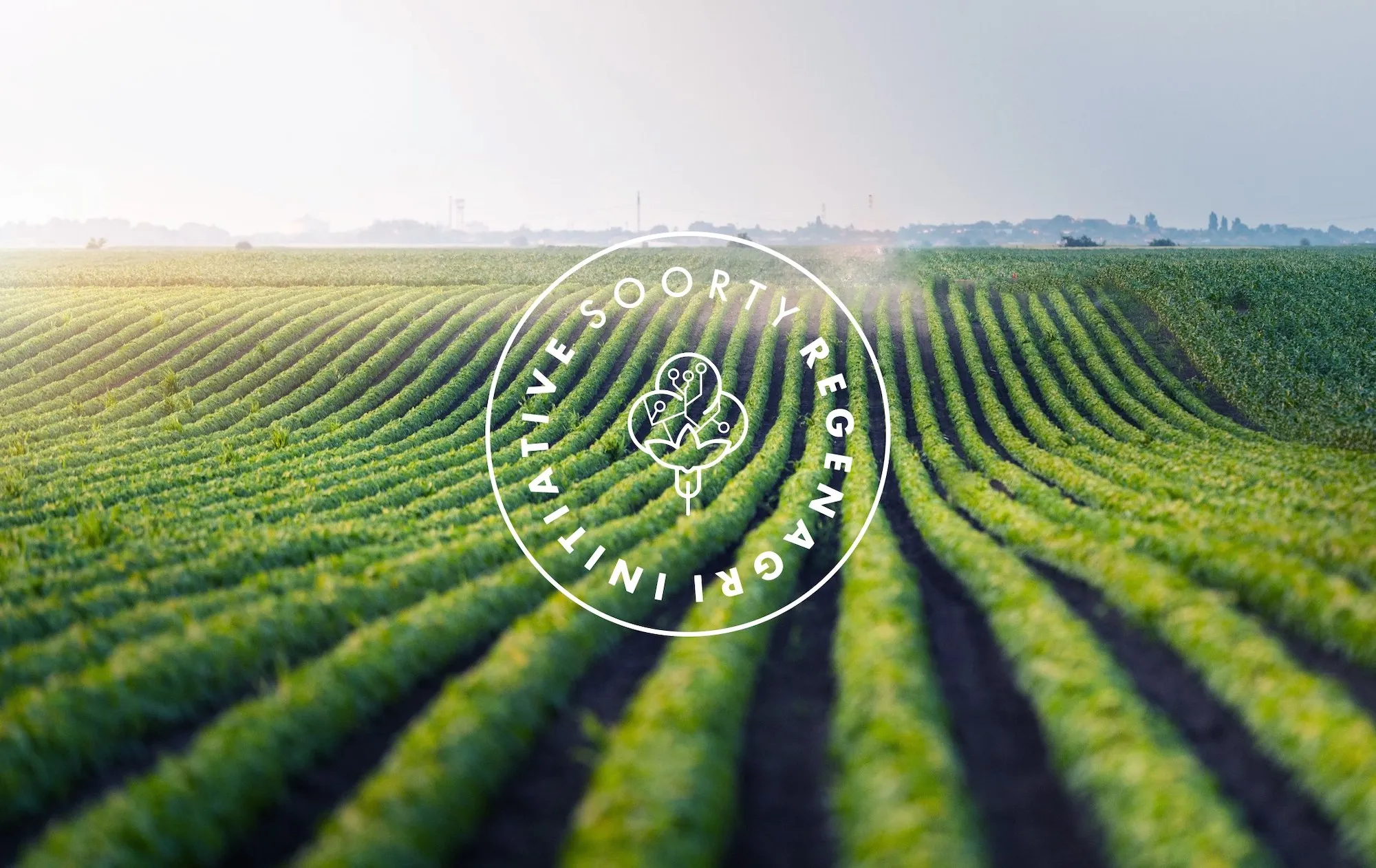
Image credit: Soorty – Soorty’s Regenagri Initiative in Pakistan has been developed with the Rural Education & Economic Development Society (REEDS) and is aimed at revitalising agricultural ecosystems through regenerative farming.
A similar programme run by Solidaridad in India has reported 12–30% lower cultivation costs, 12–18% higher yields, and 35% water savings. One participating farmer nearly doubled his cotton yield and increased his income by more than 50% after adopting regenerative practices. He is one of 27,000 Regenagri-certified farmers in Maharashtra, demonstrating how these approaches are being applied at scale and can deliver tangible benefits for farmers5.
Participating farms are digitally mapped and cotton is tracked from seed to fabric, improving accountability, transparency, and traceability within the supply chain.
Wool
Unlike plant-based fibres, wool production is closely linked to grazing landscapes and livestock management. When sheep repeatedly graze the same areas, grasslands can experience soil erosion, loss of vegetation, and reduced biodiversity. Regenerative wool programmes instead use livestock management to help restore and maintain healthy grasslands.
One example is the NATIVA™ Regenerative Agriculture Program, developed by the French textile group Chargeurs and implemented through partnerships with wool-growing communities around the world. Farmers use rotational grazing, moving sheep between different pasture areas so vegetation and soils have time to recover. This helps rebuild soil fertility, improve water retention, and encourage native grasses and plant species to return.
The programme also promotes the restoration of native vegetation and habitats, helping to create healthier environments for insects, birds, and other wildlife. Alongside environmental practices, NATIVA combines animal welfare standards and traceability systems that allow wool to be tracked from farm to finished garment. Research is increasingly exploring how improved grazing management may positively influence fibre quality and the long-term performance of wool products, further linking landscape management with material quality.
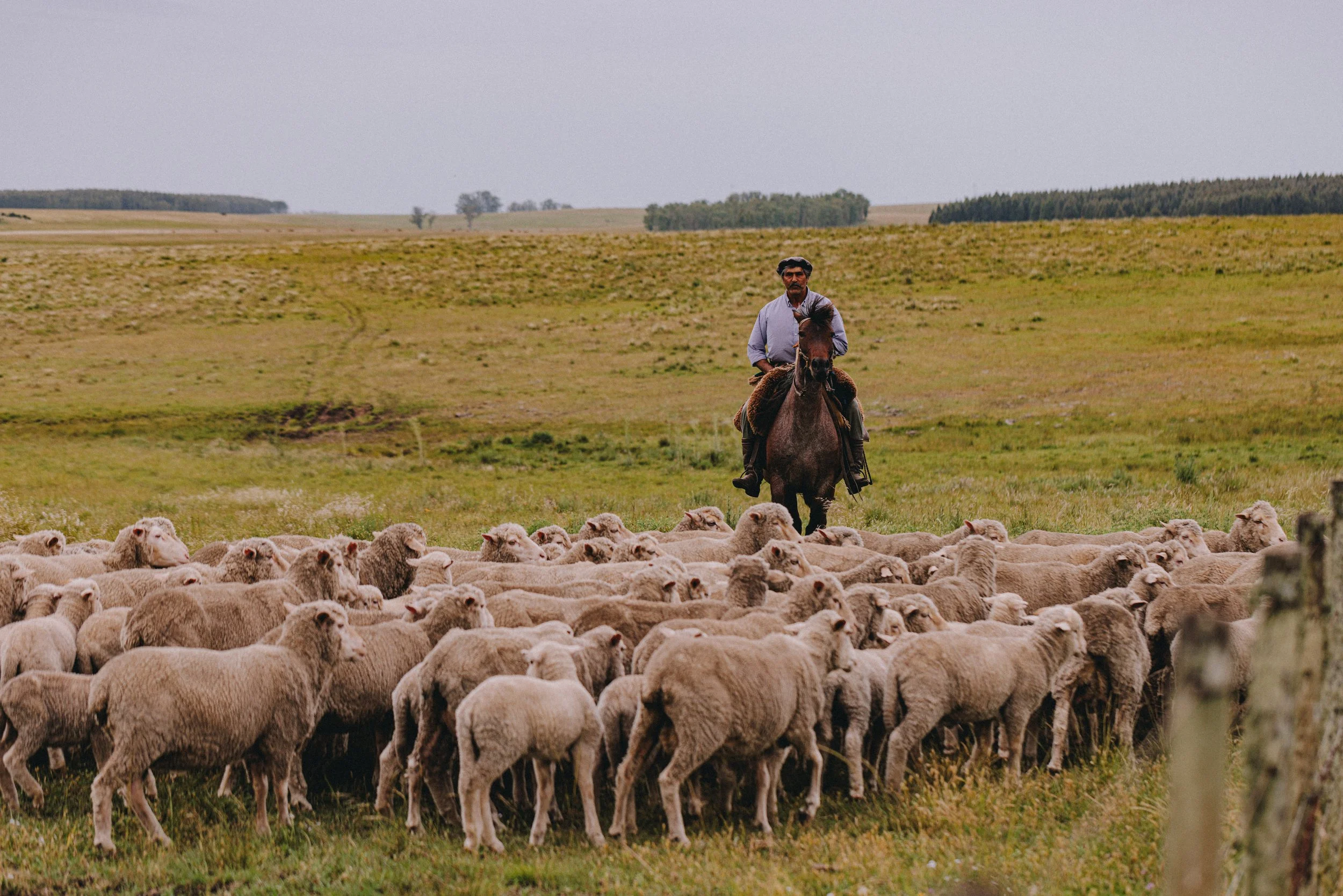
Image credit: NATIVA – Carefully managed grazing systems can help restore grasslands, encourage habitat diversity, and improve grassland health while producing wool.
Silk
Silk production begins with sericulture — the cultivation of mulberry trees and the raising of silkworms. Conventional silk production can involve intensive monoculture plantations, chemical inputs, and highly controlled rearing systems that separate silk production from the wider farm ecosystem, reducing biodiversity and increasing the need for fertilisers and pest control.
BOMBYX, a silk producer based in Sichuan, China, provides one example of how regenerative principles can be applied to sericulture. Working across thousands of acres of mulberry plantations, the company combines traditional farming knowledge with modern environmental management. Rather than growing only mulberry trees, farmers practise intercropping by planting crops such as vegetables, beans, and mustard greens between the tree rows. Crop rotation and double cropping (growing different crops at different times of the year) help maintain soil fertility, while terraced hillsides reduce soil erosion and help retain water during rainfall. Chickens, ducks, and other animals are introduced to wander around freely to control pests naturally and provide manure that returns nutrients to the soil.
Organic waste from mulberry leaves and silkworm production is composted and returned to the land, reducing the need for synthetic fertilisers. Healthy soils help produce healthy mulberry trees, which in turn provide nutritious leaves for silkworms. Environmental conditions such as soil quality, rainfall variations, and biodiversity all influence cocoon development, and therefore can affect silk quality and dye absorption.
BOMBYX also integrates water conservation, renewable energy, and traceability systems throughout its supply chain. By combining traditional sericulture practices with habitat diversity, natural pest management, and farmer training, the company is successfully demonstrating how regenerative principles can be adapted to silk production while benefiting local communities and promoting long-term landscape health6.
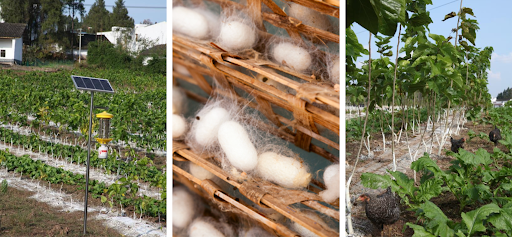
Image credit: Bombyx, Intercropping, natural pest control, and regenerative sericulture practices can promote healthier mulberry ecosystems and silk production.
Although cotton, wool, and silk are produced differently, these examples show how regenerative approaches are already being explored across global fibre supply chains that connect farmers, manufacturers, brands, and consumers.
What Does This Mean for Designers?
Designers play an important role in shaping material demand and influencing future supply chains. Understanding regenerative agriculture can help designers make more informed sourcing decisions, evaluate environmental claims critically, and better understand the systems behind the materials they choose.
Designer Spotlight
Silvia Acién
Redress Design Award 2024 People's Choice Winner
Silvia Acién brings regenerative thinking into her design practice through her connection to farming, ecological diversity, and soil health. Coming from a family of farmers in Spain, she views fashion as closely connected to the land, the communities that cultivate it, and the natural systems that sustain it. Her perspective reflects one of the central ideas of regenerative agriculture: that healthy soils underpin landscapes, farming systems, and future material production.
Her collection REGENERATIVE FOLKLORE explores biodiversity through the use of plant-based fibres and dyes derived from invasive species, helping to reduce pressure on local ecosystems. She combines this ecological perspective with circular design approaches, including biodegradable materials, zero-waste pattern cutting, and made-to-order production.
These approaches reflect many of regenerative agriculture’s underlying principles, including care for land health, ecological balance, and the enduring relationship between materials and the natural systems from which they originate. Her work illustrates how designers can contribute to more regenerative systems through the materials they choose and the sourcing decisions they make. Reflecting on how most natural fibres connect fashion back to the land, Silvia makes the point: “Everything starts from soil.”
Watch Silvia discuss regeneration, soil health, and fashion as an agricultural product:
Beyond environmental benefits, healthy agricultural systems can support stronger and more adaptable crops, which may positively influence the quality and durability of natural fibres. Research is increasingly exploring these connections between landscape health, material performance, and fibre quality.
As regenerative materials become more visible within the fashion industry, designers will also need to understand the differences between terms such as natural, organic, renewable, and regenerative. While these concepts are often used interchangeably, they do not necessarily describe the same environmental outcomes. Understanding these distinctions can encourage more responsible material choices and clearer communication.
While regenerative agriculture offers significant environmental and social benefits, adopting these approaches is not always straightforward and can involve practical challenges and trade-offs. Transitioning to regenerative systems may require farmers to adopt new knowledge, invest in different practices, and make changes to existing farming methods. Some farms may experience temporary changes in yields or increased costs during the transition period, while benefits such as improved soil condition, habitat diversity, and farm stability often develop gradually over time.
These challenges also create opportunities for collaboration across the supply chain. By increasing demand for regenerative materials and building long-term partnerships, brands and designers can help encourage investment in farming communities and contribute to more stable fibre systems in the future.
Designer Takeaways
Rather than treating sourcing as a separate supply chain decision, designers can begin to see it as part of the design process itself. The question is no longer only, “What is this material made from?” but also, “How was it produced, and what impact does its production have on the systems that sustain it?”
When working with natural fibres, designers can ask:
- Where and how was this fibre produced?
- Is the material natural, organic, renewable, or regenerative?
- What evidence supports environmental claims?
- How might sourcing decisions affect landscapes, biodiversity, and farming communities?
- What trade-offs exist between cost, availability, and long-term benefits?
Understanding these relationships can help designers move beyond greenwashing, transforming them from passive consumers of fabric into more conscious systems architects. Through the materials they specify and the sourcing decisions they make, fashion designers can influence the agricultural systems, landscapes, and communities that support fashion.
Footnotes
1 United Nations Convention to Combat Desertification (UNCCD), “Desertification and Drought Day 2024: ‘United for Land: Our Legacy. Our Future’,” 21 February 2024, accessed 31 August 2026.
2 United Nations Environment Programme (2019)
3 United Nations Convention to Combat Desertification (UNCCD), “Desertification and Drought Day 2024: ‘United for Land: Our Legacy. Our Future’,” 21 February 2024, accessed 31 August 2026.
4 Hannah Abdulla, “Soorty Launches Pakistan Regenerative Agriculture Project to Boost Traceability,” Just Style, 25 March 2024, accessed 31 August 2026
5 Solidaridad and Organic Cotton Accelerator, Cotton and Biodiversity, July 2025, p. 29; Regenagri, “Regenerative Farming in Maharashtra, India: Creating Tangible Impact on Soil Health and Income,” Regenagri Impact Report 2024, accessed 31 August 2026
6Sian Powell, “Bombyx, Organic Silk Producer for J Crew, Madewell, Bets on a Rise in Demand for Sustainably Produced Garments,” South China Morning Post, 28 June 2021