Activity
Presentation Slides for Educational School Talk
Created by
Redress
Quick Access
Learn more fashion industry terminology from the Glossary.
Quick Access
Learn more fashion industry terminology from the Glossary.
Four different topics designed to educate different age groups. Providing progressive knowledge around fashion production, fashion’s impact on the environment and our consumption behaviours. Presentation slides in Traditional Chinese are available below.
User Guidelines:
- Copyright: Redress retains all rights to the content, images, and data. Adding and/or editing on top of our presentation slides is not permitted.
- Usage Right: Our slides are for schools and non-commercial use only. Private learning centres who charge for workshops/lessons should not be using our slides for free.
- Redistribution: Our slides are not to be shared on any other website and/or sold to anyone else.
- Disclaimer: Presentation slides are provided as is, updated as of June 2026. The speaker is liable for their own actions taken based on the content. His/her action, interpretation, choice of words, shall not be affiliated with Redress.
How to Use:
- Content is designed for specific age groups, please make sure you have the right copy.
- Content is suitable for a 30-45min session, with a Q&A session afterwards.
- Content is suitable for a large student group, engaging between 100-400 students at a time.
- Please Read speaker notes attached to each pdf for hints regarding key words, data and focus of that slide.
For Primary Students
1. Fashion Production & The Environmental Impact (Suitable for P.1-3/ Y.1-3)
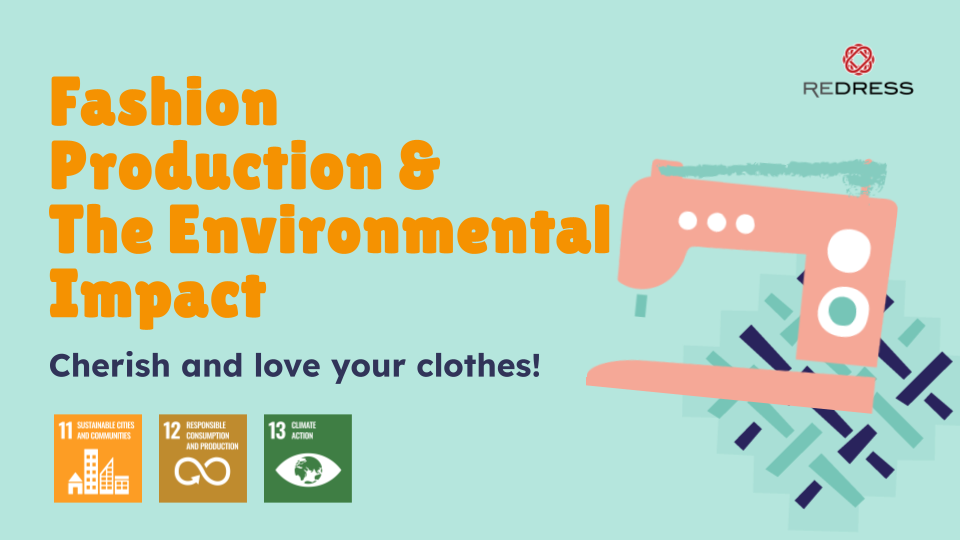
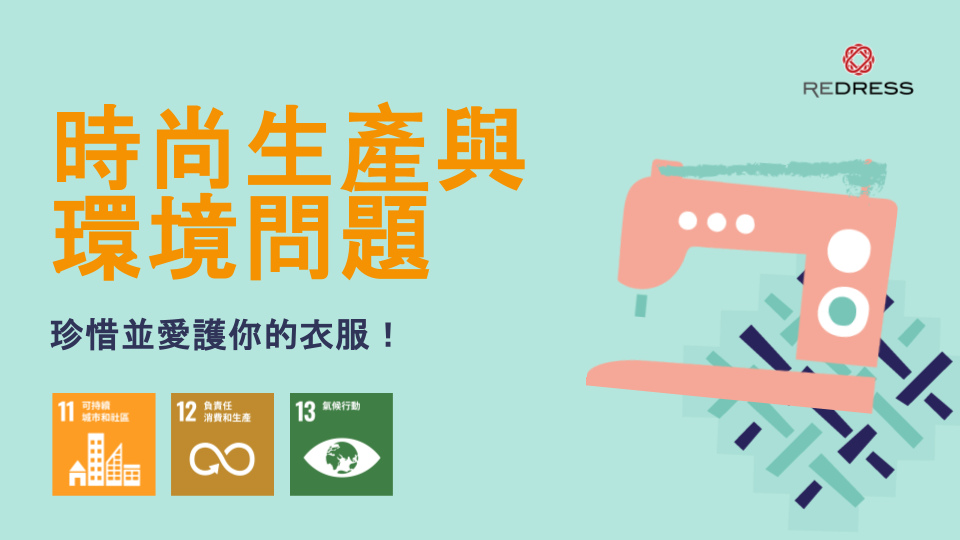
We will uncover the complexity of clothing production and the many resources consumed by our clothes. We showcase the amount of work that goes into the processing of fibres, thread, fabric and garment making. We conclude by introducing how circular lifestyle habits will extend the precious life of clothing resources.
2. Fashion & Climate Crisis
(Suitable for P.4-6/ Y.4-6)
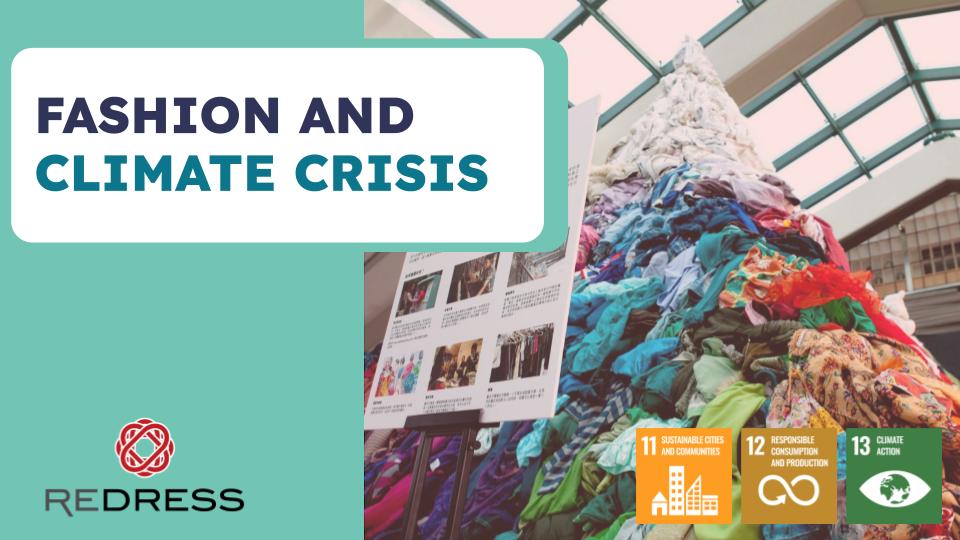
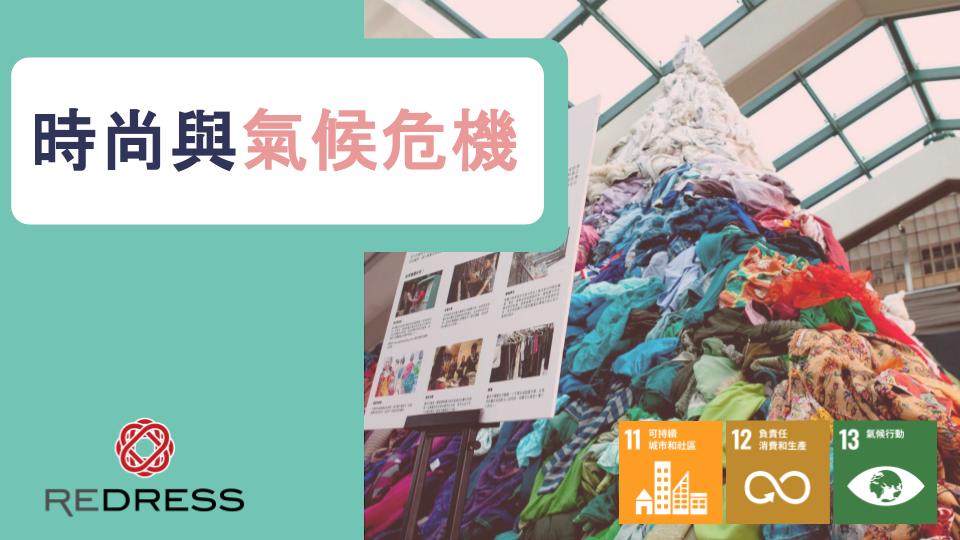
We will discuss the source of greenhouse gas emissions and the consumption of energy and natural resources required in the process of making clothes. We will explore the impact and result of climate change locally and globally. We conclude by introducing the concept and principles of circular fashion as a solution to reduce waste, and explain how students can adapt to circular habits and reduce environmental impact at a young age.
For Secondary Students
1. Fashion & Climate Crisis
(Suitable for F.1-6/ Y.7-12)
We will discuss the source of greenhouse gas emissions and the consumption of energy and natural resources required in the process of making clothes. We will explore the impact and result of climate change locally and globally. We conclude by introducing the concept and principles of circular fashion as a solution to reduce waste, and explain how students can adapt to circular habits and reduce environmental impact at a young age.
2. How to Become a Sustainable Consumer
(Suitable for F.4-6/ Y.10-12)
Students will learn how marketing drives consumption, so that they can avoid the urge of shopping and instant gratification. We conclude by differentiating authentic claims from greenwashing by suggesting students to look out for sustainable materials, repair services or community efforts within the fashion market. By identifying better materials, production procedures, and sustainable brand practices we educate our future consumers to become mindful and considerate of their everyday choices.